








What's Happening?
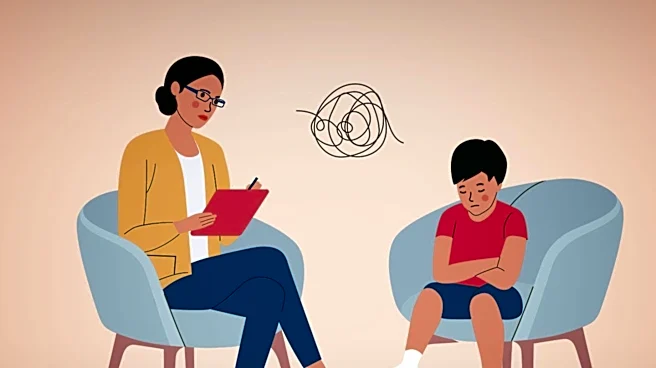
Various therapeutic approaches are available to help individuals manage everyday anxiety, each with distinct methodologies. Cognitive Behavioral Therapy (CBT) focuses on identifying and challenging anxious thoughts, treating them as possibilities rather
than facts, and encouraging small experiments to test their validity. Acceptance and Commitment Therapy (ACT) teaches individuals to notice anxious thoughts without engaging with them, allowing them to pursue meaningful activities despite their presence. Exposure-based work systematically helps individuals confront feared situations, gradually building tolerance and reducing avoidance, which is considered a primary fuel for anxiety. Humanistic and Gestalt therapies address anxiety stemming from self-perception and disconnection from personal desires, emphasizing self-worth and present-moment awareness. Additionally, Dialectical Behavior Therapy (DBT) skills provide concrete tools for managing intense emotional surges, tolerating distress, and improving communication in moments of high emotion. These diverse methods offer tailored solutions depending on an individual's specific anxiety patterns and preferences for therapeutic structure.
Why It's Important?
The availability of multiple therapeutic approaches for anxiety is crucial because it acknowledges the varied manifestations and underlying causes of the condition. Anxiety is a widespread issue, and a one-size-fits-all treatment is often ineffective. By offering options like CBT for those who prefer structured, goal-oriented work, ACT for those seeking to reduce internal struggle, or exposure therapy for specific phobias, individuals can find a method that resonates with their personal experience and coping style. This personalized approach increases the likelihood of successful treatment and long-term management of anxiety. Effective anxiety management can significantly improve an individual's quality of life, productivity, and overall well-being, reducing the societal burden of untreated mental health conditions. Furthermore, these therapies equip individuals with lifelong tools, fostering resilience and self-efficacy in managing future stressors.
What's Next?
Individuals experiencing anxiety are encouraged to explore these different therapeutic modalities to find the most suitable approach. The initial step often involves consulting with a mental health professional who can assess their specific needs and recommend a tailored treatment plan. This might include starting with one therapy, such as CBT, and potentially integrating elements from others like ACT or DBT skills as needed. Continued research and clinical practice will likely refine these approaches, potentially leading to more integrated and personalized treatment protocols. The emphasis will remain on empowering individuals with practical strategies to manage their anxiety, fostering a proactive stance toward mental well-being. As awareness of mental health grows, access to these diverse therapies is expected to expand, making effective treatment more readily available.
Beyond the Headlines
The evolution and diversification of anxiety therapies reflect a deeper understanding of the human mind and emotional regulation. Beyond simply alleviating symptoms, these approaches aim to foster profound shifts in how individuals relate to their thoughts and feelings. For instance, ACT's emphasis on acceptance challenges the conventional notion of needing to eliminate negative emotions, instead promoting a more compassionate and functional relationship with internal experiences. Similarly, exposure therapy, while seemingly straightforward, addresses the fundamental human tendency to avoid discomfort, thereby building courage and resilience. These therapies contribute to a broader cultural shift towards destigmatizing mental health and recognizing the importance of emotional intelligence and self-awareness. They highlight that mental well-being is not merely the absence of distress but the presence of effective coping mechanisms and a meaningful engagement with life.