





What's Happening?
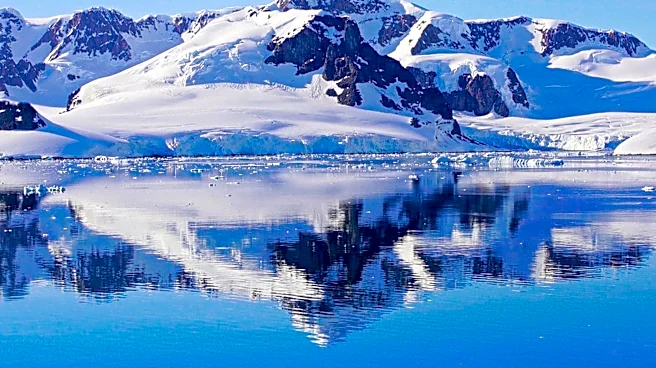
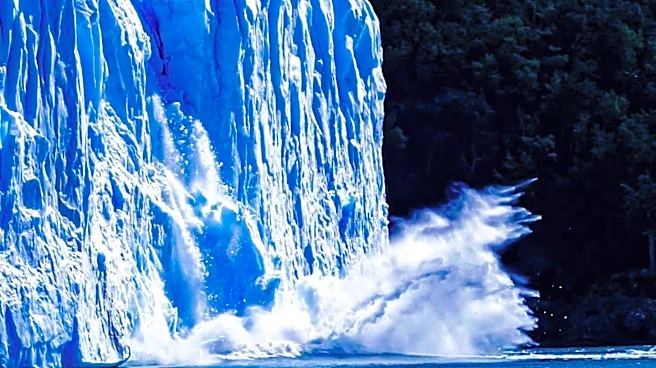
The Thwaites Glacier in Antarctica, often referred to as the 'Doomsday Glacier,' is showing signs of imminent collapse due to significant rifting in its ice shelf. Recent satellite imagery indicates that the glacier's eastern ice shelf, which acts as a buttress,
is rapidly disintegrating. This development is alarming scientists, as the glacier's collapse could lead to a substantial rise in global sea levels. The glacier's stability has been compromised by warming ocean temperatures and the loss of its supporting ice shelf, which has historically slowed its progression into the sea.
Why It's Important?
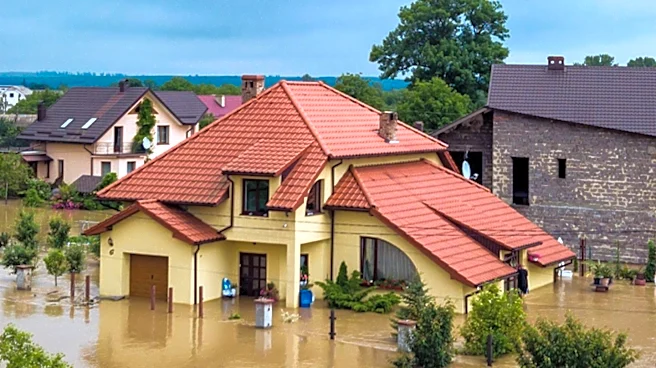
The potential collapse of the Thwaites Glacier poses a significant threat to global sea levels, with the capacity to raise them by up to two feet. This would have catastrophic implications for coastal communities worldwide, leading to increased flooding, habitat loss, and economic disruption. The situation underscores the urgent need for global climate action to mitigate the effects of climate change and prevent further destabilization of polar ice masses. The Thwaites Glacier serves as a critical indicator of the broader impacts of global warming on Earth's cryosphere.
What's Next?
As the Thwaites Glacier continues to destabilize, scientists are closely monitoring its progression and the potential for further rifting. International efforts may intensify to address climate change and its impacts on polar regions. Policymakers and environmental organizations are likely to advocate for increased research funding and collaborative initiatives to better understand and mitigate the effects of glacial melt. The situation may also prompt discussions on adaptive strategies for vulnerable coastal areas to prepare for rising sea levels.
Beyond the Headlines
The Thwaites Glacier's situation highlights the interconnectedness of global environmental systems and the far-reaching consequences of climate change. It raises ethical questions about humanity's responsibility to protect vulnerable ecosystems and the need for equitable solutions to address climate impacts. The glacier's potential collapse serves as a stark reminder of the urgency of transitioning to sustainable energy sources and reducing carbon emissions to preserve the planet's ecological balance.