







What's Happening?
Anduril Industries is actively recruiting a Senior Mechanical Engineer to join its Rocket Motor Systems (RMS) team. This team is focused on developing next-generation solid rocket motors. The role involves leading the entire lifecycle of specialized manufacturing
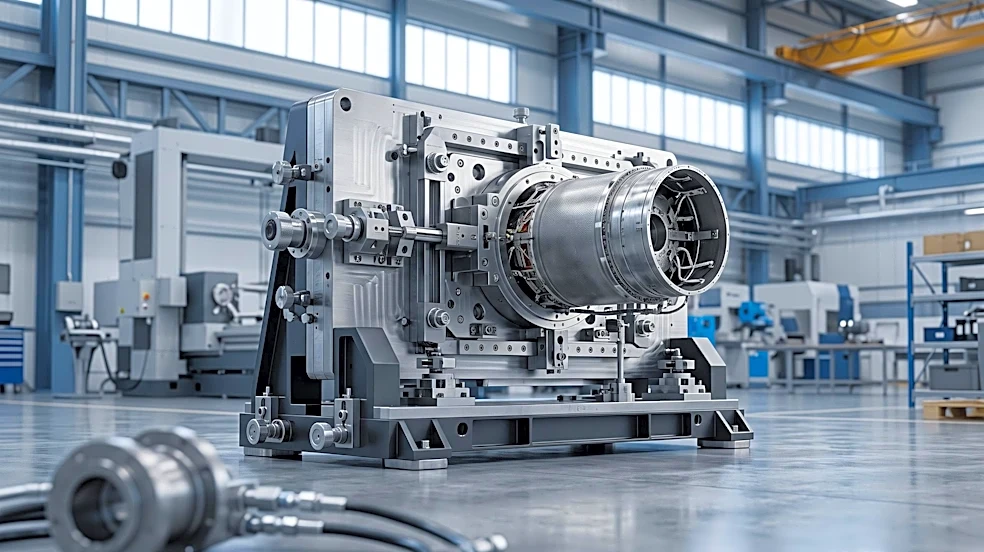
tooling for these motors, from initial concept and detailed design through prototyping, validation, full release, and factory implementation. The engineer will serve as the design authority for various tooling, including jigs, fixtures, molds for propellant casting and insulation, assembly aids, and test fixtures critical for solid rocket motor production. Responsibilities also include driving the design process using advanced CAD software, engineering analysis (FEA, DFM, DFA), and simulation to ensure robust, repeatable, ergonomic, and optimized tooling for high-rate manufacturing. The position requires full ownership of prototyping and validation, overseeing fabrication, assembly, testing, and design iteration to achieve optimal performance and manufacturability. Collaboration with internal manufacturing teams, quality engineers, and external vendors is essential to define tooling requirements, manage fabrication, troubleshoot issues, and continuously improve tooling performance and lifespan. The role emphasizes applying Design for Manufacturability (DFM) and Design for Assembly (DFA) principles to both the product and the tooling itself, ensuring efficient and scalable production processes. A U.S. Person status is required due to access to export-controlled data.
Why It's Important?
This recruitment by Anduril Industries highlights a significant push in the U.S. defense technology sector towards advancing solid rocket motor capabilities. The development of next-generation solid rocket motors is crucial for national security and maintaining a technological edge in defense. By investing in specialized engineering talent, Anduril aims to enhance the efficiency, reliability, and scalability of its defense systems. This initiative could lead to faster deployment of advanced weaponry and improved operational readiness for the U.S. military and its allies. The emphasis on DFM and DFA principles indicates a strategic focus on cost-effectiveness and rapid production, which are vital for meeting defense demands. The requirement for U.S. Person status underscores the sensitive nature of this technology and the importance of protecting national interests. Success in this area could strengthen the U.S. defense industrial base, create high-skilled jobs, and potentially influence geopolitical dynamics by providing superior defense capabilities.
What's Next?
Anduril Industries will continue its hiring process to fill this critical Senior Mechanical Engineer position, aiming to integrate the new talent into its Rocket Motor Systems team. Once onboard, the engineer will immediately begin contributing to the design and development of advanced tooling for solid rocket motors. The company will likely proceed with the iterative design, prototyping, and testing phases for these new motor systems, with a strong focus on optimizing manufacturing processes for high-rate production. This will involve close collaboration with various internal departments and external suppliers. Future developments could include the successful deployment of these next-generation solid rocket motors in defense applications, potentially leading to new contracts and expanded capabilities for Anduril Industries. The ongoing advancements in this field may also spur further innovation and competition within the defense technology sector, driving continuous improvement in U.S. military capabilities.
Beyond the Headlines
The drive to develop next-generation solid rocket motors, as evidenced by Anduril Industries' hiring efforts, reflects a broader strategic imperative within the U.S. defense industry. This push goes beyond mere technological advancement; it touches upon the ethical considerations of autonomous defense systems and the long-term implications of a more connected and potentially automated battlefield. The emphasis on 'a safer, more connected world' through these motors suggests an integration into sophisticated defense networks, raising questions about command and control in highly complex scenarios. Furthermore, the focus on high-rate manufacturing and scalability could lead to a shift in defense procurement strategies, favoring companies that can rapidly innovate and produce critical components. This could also impact international arms control discussions, as advancements in rocket motor technology can alter the balance of power. The continuous evolution of such technologies necessitates ongoing public and policy discourse regarding their responsible development and deployment, ensuring that technological progress aligns with broader societal values and international stability.