





What's Happening?
The Delaware Department of Natural Resources and Environmental Control (DNREC), Division of Air Quality (AQ), has announced public workshops to discuss proposed draft regulation 7 DE Admin. Code 1152, titled 'Performance Standards for Oil and Natural Gas
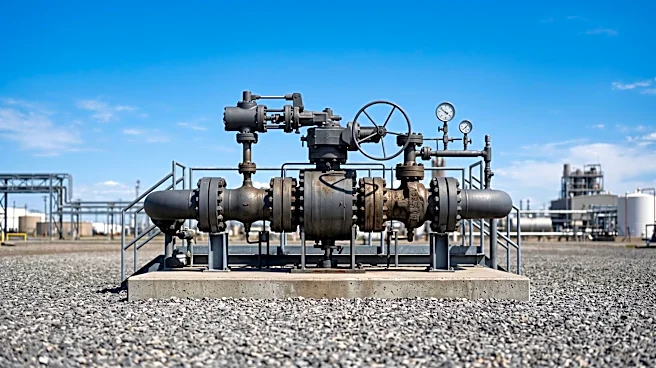
Sector,' and the State Plan under 111(d) Emissions Guidelines. These workshops are scheduled for December 14, 2026, at the Delaware City Library and December 16, 2026, at the Bridgeville Public Library, both beginning at 6:00 pm. The primary goal of these documents is to establish emission guidelines for existing oil and natural gas sources within Delaware, aligning them with federal regulations. This initiative specifically targets the reduction of methane and other harmful emissions from two existing compressor stations in the state. The draft regulatory language will be available for public review at DNREC offices in New Castle and Dover, as well as on the Department’s website.
Why It's Important?
This regulatory development is significant for Delaware and potentially for other states as it addresses environmental protection and public health by targeting emissions from the oil and natural gas sector. Methane, a potent greenhouse gas, contributes significantly to climate change, and reducing its emissions is a key component of national environmental strategies. The proposed standards aim to improve air quality, which can have direct benefits for public health, particularly for communities located near these industrial facilities. For businesses in the oil and natural gas sector, these new regulations will necessitate investments in updated technology and operational changes to comply with the stricter emission guidelines. This could lead to increased operational costs for some companies, while also fostering innovation in emission control technologies. The outcome of these workshops and the subsequent adoption of the regulations will influence Delaware's environmental footprint and its economic landscape, particularly for industries reliant on natural gas infrastructure.
What's Next?
Following the public workshops, the DNREC will review all submitted questions and feedback, both oral and written. This public input will be crucial in potentially refining the proposed draft regulation and State Plan. The Department will then proceed with the formal regulatory adoption process, which typically involves further internal review and potential revisions based on the feedback received. Once adopted, the new performance standards will mandate compliance from existing oil and natural gas sources in Delaware, particularly the two identified compressor stations. Businesses will need to develop and implement strategies to meet these new emission guidelines, which may include technological upgrades or operational adjustments. The implementation of these regulations will be monitored by DNREC to ensure adherence and to assess their effectiveness in reducing methane and other harmful emissions.
Beyond the Headlines
The proposed performance standards in Delaware highlight a broader national trend towards stricter environmental regulations for the energy sector, driven by increasing concerns over climate change and public health. This move reflects a growing commitment at the state level to align with federal environmental goals and to take proactive steps in reducing greenhouse gas emissions. Beyond the immediate impact on the oil and natural gas industry, these regulations could stimulate economic activity in the environmental technology sector, as companies seek innovative solutions for emission control. Furthermore, this initiative underscores the ongoing tension between economic development and environmental preservation, prompting discussions about sustainable energy practices and the long-term viability of fossil fuel industries in a changing regulatory landscape. The success of Delaware's approach could serve as a model for other states considering similar environmental protections.