











What's Happening?
The Los Angeles Department of Transportation (LADOT) is set to implement a significant redesign of Pico Boulevard, aiming to enhance safety for pedestrians, bicyclists, and drivers. The project, which spans 3.5 miles between Crenshaw Boulevard and Figueroa
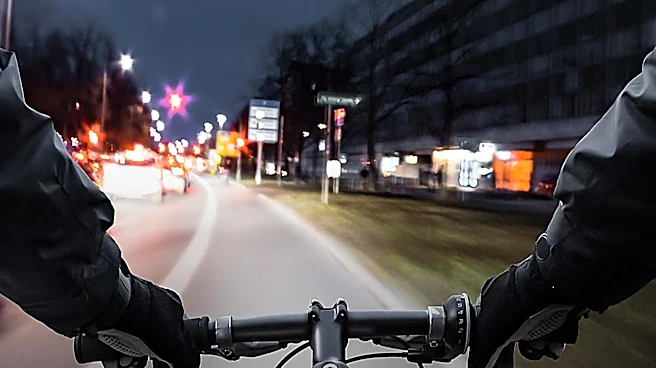
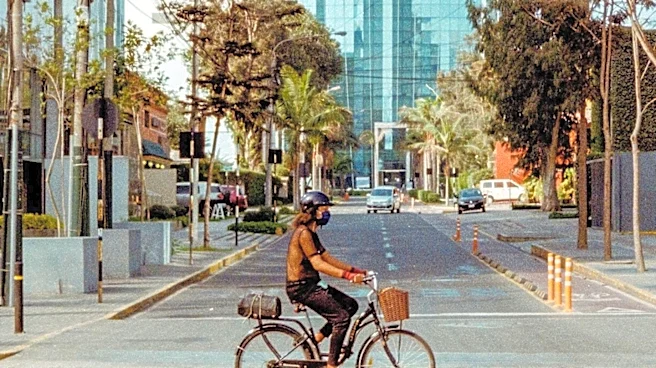
Street, includes the addition of protected bike lanes, a center turn lane for left turns and emergency vehicles, and new traffic signals. This initiative follows extensive outreach efforts by LADOT, which began in May 2025, involving surveys and meetings with local businesses and residents. Despite 75% of survey respondents supporting the bike lane design, the plan has raised concerns among local merchants. The redesign will result in the removal of 228 parking spots, a significant issue for businesses that rely on street parking for customers. Construction is scheduled to begin by the end of the year, with the project being completed in phases over approximately one year.
Why It's Important?
The proposed changes to Pico Boulevard are part of a broader effort by Los Angeles to improve road safety and reduce traffic-related injuries and fatalities. Between 2014 and 2023, the area experienced 75 crashes resulting in severe injury or death, with pedestrians and bicyclists being the most affected. The introduction of protected bike lanes and other safety measures is expected to mitigate these risks. However, the reduction in parking spaces poses a challenge for local businesses, potentially impacting their operations and customer accessibility. This situation highlights the ongoing tension between urban development aimed at enhancing public safety and the economic realities faced by small businesses. The outcome of this project could influence future urban planning decisions in Los Angeles and other cities facing similar challenges.
What's Next?
As construction begins, LADOT plans to notify residents and businesses in advance and provide traffic control and detour assistance. The department is also considering adjustments to the project, such as adding loading zones, creating more parking on nearby streets, and relocating bus stops. These measures aim to address some of the concerns raised by local merchants. The project's progress will be closely monitored by stakeholders, including business owners and community members, who may continue to advocate for modifications that balance safety improvements with economic viability. The success or failure of this initiative could set a precedent for how Los Angeles and other urban areas approach similar infrastructure projects in the future.