







What's Happening?
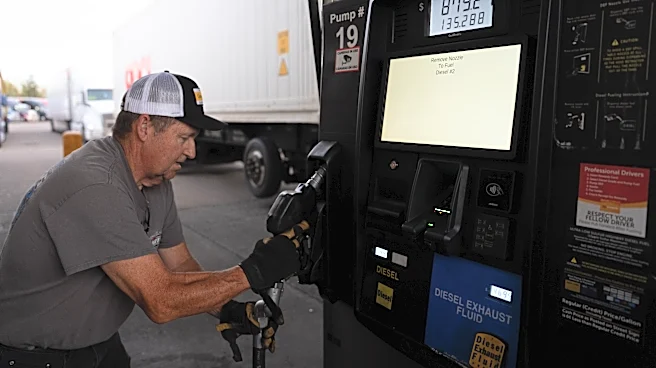
As the ongoing conflict in Iran continues to drive up fuel prices, tribally owned gas stations across the United States are offering a reprieve for consumers. These stations, located on Native American reservations, benefit from tax exemptions that allow
them to sell gasoline at lower prices compared to nearby competitors. For instance, the Tulalip Reservation in Washington state offers gas at $4.84 per gallon, significantly cheaper than surrounding areas. This price advantage is due to the tribes' exemption from state fuel taxes, a principle upheld by U.S. courts for over a century. The Supreme Court has consistently ruled that states cannot impose taxes on Native American lands, allowing tribes to pass savings onto consumers.
Why It's Important?
The ability of tribally owned gas stations to offer lower fuel prices is crucial in the current economic climate, where geopolitical tensions have led to significant increases in gasoline costs. This price relief is particularly important for consumers in states like California, New Mexico, and New York, where fuel prices are among the highest in the nation. The tax exemptions not only benefit consumers but also support tribal economies, as increased sales contribute to funding essential services such as healthcare, education, and infrastructure on reservations. This dynamic highlights the broader economic impact of tribal sovereignty and the legal frameworks that protect it.
What's Next?
As fuel prices continue to rise, tribally owned gas stations are likely to see increased patronage from consumers seeking cost-effective alternatives. This could lead to further economic growth for tribal communities, enabling them to expand services and infrastructure. Additionally, ongoing legal challenges and negotiations between states and tribes may shape future tax policies and agreements, potentially affecting the pricing strategies of tribally owned businesses. Stakeholders, including state governments and tribal leaders, will need to navigate these complexities to ensure mutually beneficial outcomes.
Beyond the Headlines
The situation underscores the importance of tribal sovereignty and the legal protections that allow Native American tribes to operate independently within the U.S. economy. These tax exemptions not only provide economic benefits but also reinforce the cultural and political autonomy of tribal nations. As tribally owned businesses continue to thrive, they contribute to the preservation of Native American heritage and the empowerment of indigenous communities. This development may also prompt broader discussions on the role of tribal enterprises in the national economy and their potential to drive sustainable growth.