




What's Happening?
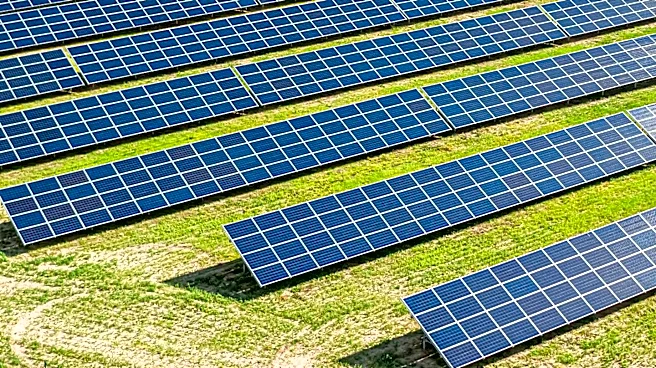
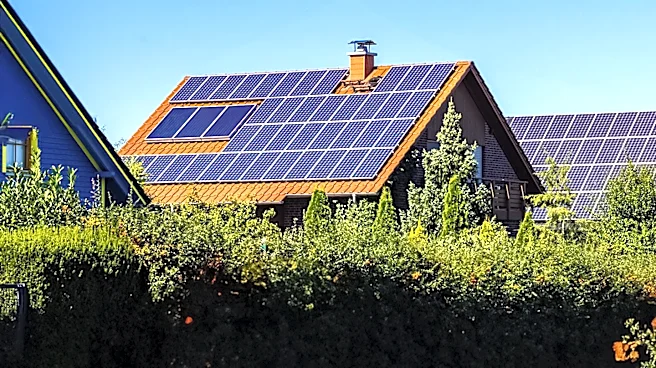
A growing number of U.S. homeowners are facing significant financial distress due to solar panels that were never installed or are non-operational, yet they are still obligated to make loan payments. This issue arises from a common industry structure
where the installer sells the system, and a separate finance company provides the loan, paying the installer upfront. Once the installer receives payment, their financial obligation is often fulfilled, regardless of whether the panels are successfully installed or function as promised. Homeowners' contracts are typically with the lender, not the installer, leaving them responsible for payments even when the service is not rendered. The Consumer Financial Protection Bureau (CFPB) has noted this pattern in complaints, with lenders often stating that their investigations found the merchant followed policies or the consumer failed to provide requested information, thus upholding the payment obligation.
Why It's Important?
This situation poses a severe financial threat, particularly for households with limited financial reserves. For many, a disputed solar loan is not just a legal inconvenience but a 'slow-motion emergency' that can lead to broader household credit stress. The inability to come up with unexpected funds, coupled with high credit card interest rates, can push vulnerable households into a cycle of debt. The problem highlights a critical consumer protection gap in the solar industry's financing model, where the separation between installer and lender leaves homeowners exposed. It also underscores the need for greater transparency and accountability from both installers and lenders to ensure that consumers receive the services they pay for. The financial burden on affected homeowners can be substantial, impacting their credit scores, savings, and overall financial well-being.
What's Next?
Homeowners encountering this issue are advised to take specific steps to address the problem. This includes submitting a written dispute to the lender, not just the installer, and meticulously documenting all communications, photos, and evidence of non-performance. Filing a complaint with the CFPB is also recommended, as it routes the complaint to the loan servicer and requires a written response. Additionally, contacting the state attorney general's consumer protection unit is crucial, as several states have already initiated legal action against solar installers for deceptive practices. The CFPB's future reports on solar dispute categories will be a key indicator of whether this problem is escalating and if lenders will begin to pause payments while installations are verified. Until systemic changes occur, homeowners must be vigilant and proactive in protecting their financial interests.
Beyond the Headlines
This issue reveals deeper ethical and regulatory challenges within the rapidly expanding solar energy market. The financing structure, while facilitating rapid deployment of solar technology, inadvertently creates a vulnerability for consumers. It raises questions about the responsibility of financial institutions in ensuring the integrity of the services they finance. The problem also points to the need for stronger regulatory oversight and consumer protection laws specifically tailored to the solar industry, which often involves complex contracts and long-term financial commitments. The emotional and financial toll on affected homeowners can erode public trust in renewable energy initiatives, potentially hindering broader adoption. Addressing these systemic flaws is essential not only for protecting individual consumers but also for maintaining the credibility and sustainable growth of the clean energy sector.