





What's Happening?
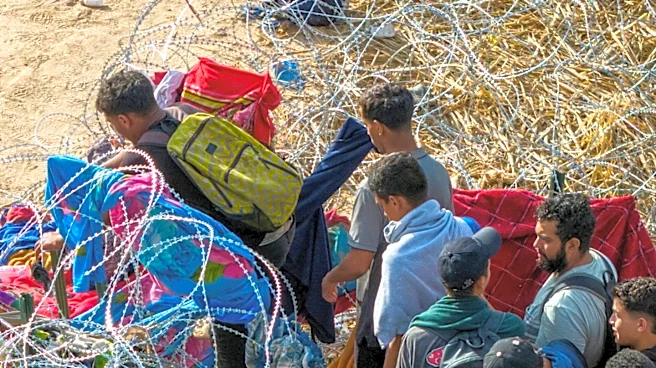
USA for UNHCR, an organization supporting the UN Refugee Agency, has initiated a new campaign titled 'Dignity Without Delay.' This initiative aims to shift the global perception of refugees from being defined by crisis and immediate needs to recognizing
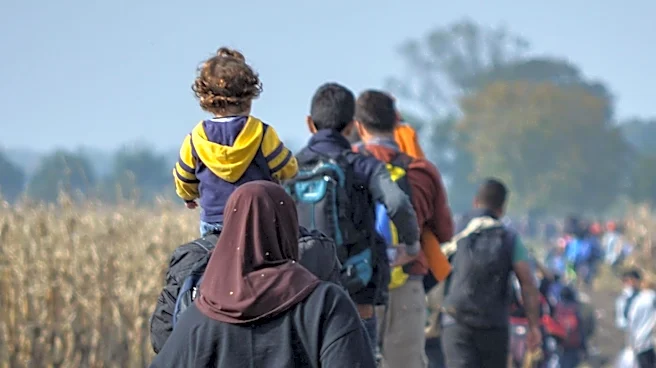
their skills, ambitions, and potential for future contributions. The campaign coincides with the UN General Assembly (UNGA) in New York City, where it seeks to elevate the global refugee crisis among key decision-makers, advocating for increased attention, collaboration, and funding. Instead of focusing on conflict imagery, 'Dignity Without Delay' highlights the lives of refugees post-displacement, showcasing individuals like an aviation engineer, a physiotherapist, and a dancer, to emphasize their capabilities and aspirations. The campaign is being promoted through a full-page advertisement in The New York Times and digital displays across New York City, particularly near UN Headquarters. This effort aligns with UNHCR's '50 by 35' vision, which seeks to help millions of refugees achieve greater self-reliance and move beyond prolonged reliance on humanitarian aid by 2035.
Why It's Important?
The 'Dignity Without Delay' campaign is important because it challenges a prevalent narrative that often reduces refugees to victims of circumstance, thereby influencing public policy and funding priorities. By reframing the refugee experience to emphasize their potential and skills, the campaign seeks to foster a more constructive approach to refugee integration and support. This shift in perspective could encourage governments, businesses, and philanthropic organizations to invest in long-term solutions rather than solely focusing on immediate humanitarian aid. For the U.S., this campaign, launched by USA for UNHCR, could influence domestic discussions on refugee resettlement and integration programs, potentially leading to policies that better leverage the talents of refugees. It also underscores the economic and social benefits that refugees can bring to host communities, moving beyond the perception of refugees as solely recipients of aid. The campaign's success could lead to increased funding for programs that promote self-reliance, ultimately benefiting both refugees and the countries that host them by fostering economic independence and social cohesion.
What's Next?
The 'Dignity Without Delay' campaign, launched during the UN General Assembly, is expected to continue its outreach to global leaders, private sector entities, non-profits, and philanthropists. The immediate goal is to secure greater attention, collaboration, and funding for the global refugee crisis. Following its initial launch in New York City, the campaign will likely expand its messaging to a broader audience, aiming to sustain the reframed narrative of refugees as individuals with skills and ambitions. The success of this campaign could influence future policy discussions at both national and international levels, potentially leading to increased investment in programs that support refugee self-reliance and long-term integration. Stakeholders, including governments and international organizations, will be watching to see if this new approach can translate into tangible policy changes and increased financial commitments to support UNHCR's '50 by 35' vision. The campaign's emphasis on long-term solutions suggests a sustained effort to advocate for systemic changes in how refugees are supported globally.
Beyond the Headlines
Beyond the immediate goal of raising awareness and funding, the 'Dignity Without Delay' campaign delves into deeper ethical and cultural implications surrounding the global refugee crisis. It challenges the dehumanizing effect of viewing refugees solely through the lens of their displacement, advocating for a recognition of their inherent dignity and potential. This shift in narrative could combat xenophobia and foster greater empathy within host communities by highlighting the shared humanity and aspirations of refugees. Culturally, the campaign aims to dismantle stereotypes and promote a more nuanced understanding of refugee identities, moving away from a singular, crisis-driven image. Ethically, it underscores the moral imperative to provide not just basic survival but also opportunities for refugees to thrive and contribute to society. In the long term, this reframing could lead to more inclusive societal structures and policies that empower refugees to rebuild their lives, fostering a more just and equitable global response to forced displacement.