




What's Happening?
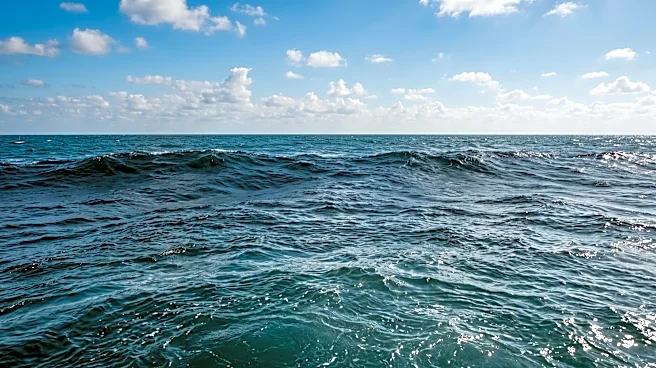
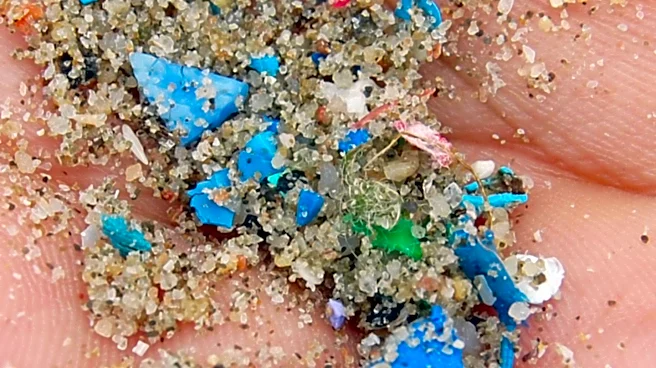
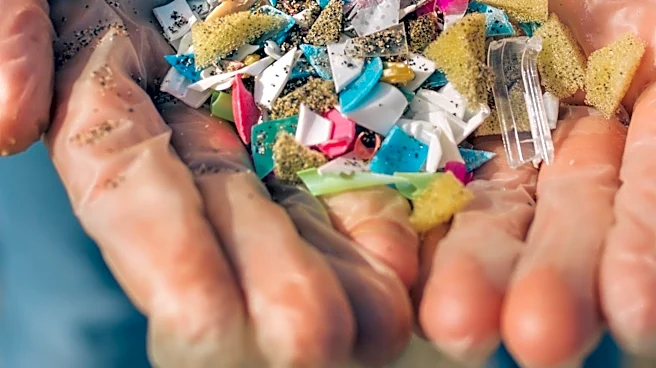
The ocean's color is undergoing detectable changes in areas near the Great Pacific Garbage Patch, a phenomenon that scientists are increasingly linking to the accumulation of microplastics. Research indicates that these small plastic particles, defined
as under 300 micrometers in diameter, are difficult to measure directly in situ and nearly impossible to remove from the water column. These microplastics impact marine ecosystems and carbon cycling, and are believed to constitute the majority of plastics entering the marine food web. They are continuously generated through the photodegradation and mechanical breakdown of larger plastic debris. Satellite data analysis and radiative transfer simulations have been employed to study these changes, revealing that suspended oceanic microplastics generally brighten the ocean's color across the visible spectrum, with a peak at 490 nm, characterized by simultaneous increases in blue and green bands. This research utilizes various satellite ocean color data sources, including MODIS-Aqua, OC-CCI, and Copernicus-GlobColour, to analyze long-term trends in ocean reflectance.
Why It's Important?
The observed changes in ocean color due to microplastic accumulation signify a critical environmental concern with far-reaching implications. The presence of microplastics in marine ecosystems is not only altering the ocean's appearance but also posing significant threats to marine life and potentially human health through the food chain. These particles can absorb and scatter light, affecting primary productivity by altering the light available for phytoplankton, which form the base of the marine food web. Furthermore, microplastics can carry associated chemical pollutants, which can propagate through marine food webs, leading to bioaccumulation in marine organisms. The difficulty in detecting and removing these microplastics means that the problem is persistent and growing, necessitating urgent attention to reduce plastic pollution at its source. Understanding these optical changes can also aid in developing remote sensing techniques for better monitoring and assessment of plastic pollution in vast ocean areas.
What's Next?
Future efforts will likely focus on refining remote detection methods for microplastics using satellite ocean color sensors, as direct measurement remains challenging. Continued monitoring of ocean color changes will be crucial to track the spread and concentration of microplastics and to assess the effectiveness of mitigation strategies. Researchers may also delve deeper into the specific impacts of these optical changes on marine biogeochemical cycles and the broader marine ecosystem. Policy discussions and international collaborations are expected to intensify, aiming to implement more effective measures for reducing plastic waste generation and improving waste management infrastructure globally. The scientific community will also likely explore the development of new technologies for microplastic removal, although the current consensus suggests prevention is the most viable approach.
Beyond the Headlines
The subtle shift in ocean color due to microplastics highlights a deeper, often invisible, transformation of our planet's ecosystems. This phenomenon underscores the pervasive nature of human impact on even the most remote parts of the Earth. Beyond the immediate ecological concerns, the alteration of ocean color could have implications for climate modeling, as ocean color is a key indicator of ocean health and productivity, influencing global carbon cycles. The aesthetic degradation of the ocean, though less tangible, also represents a loss of natural beauty and ecological integrity. This issue challenges the notion of the ocean as an infinite sink for waste, revealing the interconnectedness of human consumption patterns with global environmental health. It also raises ethical questions about intergenerational equity and our responsibility to preserve natural environments for future generations.