




What's Happening?
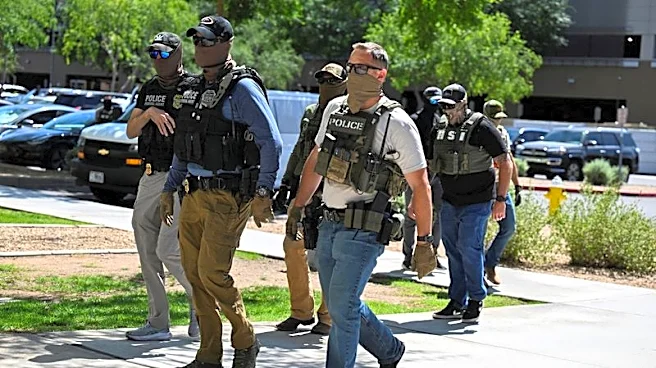
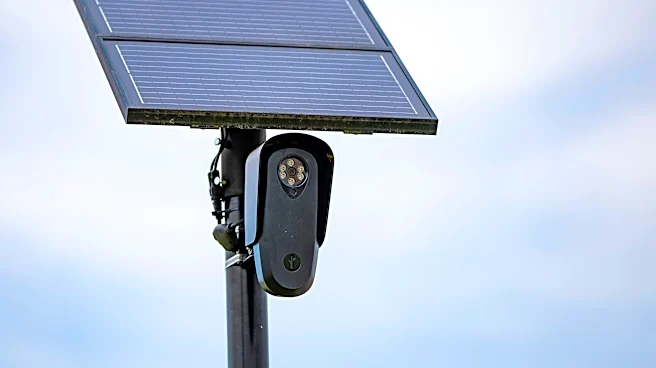
Newly disclosed court documents have revealed that the Department of Homeland Security (DHS) conducted a sweeping surveillance operation targeting anti-ICE protesters, major labor unions, and left-leaning advocacy groups. Internal investigative files
show that federal agents infiltrated community meetings, joined private activist Signal chats, and surreptitiously recorded audio at various local events, including a 'resistance skills training' at a public library and a sparring session at a church gym. Agents posed as activists and actively engaged participants, even offering to assist with 'direct-action' protests. Furthermore, the DHS investigators issued administrative subpoenas to seize financial records of unions and non-profits, conducting these inquiries under the pretext of investigating 'domestic terrorist financing.' This extensive operation has brought to light the significant extent to which federal law enforcement has targeted political opponents and peaceful organizers.
Why It's Important?
This revelation raises serious concerns about civil liberties, freedom of assembly, and privacy rights in the United States. The infiltration of peaceful activist groups and the seizure of financial records by federal agents can have a chilling effect on dissent and political expression. Activists, such as Emilia González Avalos, executive director of Unidos MN, view these actions as a clear attempt to intimidate, punish, and politically repress disagreement, challenging fundamental American values. The use of 'domestic terrorist financing' as a justification for obtaining financial records of non-profits and unions suggests a broad interpretation of national security threats that could potentially encompass legitimate political activism. This situation underscores the delicate balance between government efforts to ensure security and the constitutional protections afforded to citizens' rights to protest and organize.
What's Next?
The disclosure of these court documents is likely to intensify scrutiny of federal law enforcement practices and potentially lead to calls for investigations or reforms regarding surveillance protocols. Activist groups and civil liberties organizations may pursue further legal challenges or advocate for legislative measures to protect political organizers from such extensive government monitoring. The public discourse will likely focus on the boundaries of government surveillance, particularly when it pertains to peaceful political activities, and the criteria used to classify groups or individuals as potential threats. This development could also prompt a re-evaluation of the Department of Homeland Security's mandate and its oversight mechanisms to prevent potential abuses of power in monitoring domestic dissent.
Beyond the Headlines
The extensive surveillance operation by federal agents against anti-ICE protesters and advocacy groups taps into a long-standing debate in American history regarding government overreach and the suppression of political dissent. This incident echoes past controversies where federal agencies have been accused of monitoring and disrupting civil rights movements or anti-war protests. The use of undercover agents and the seizure of financial records under the guise of 'domestic terrorist financing' could foster an environment of distrust between citizens and government institutions, potentially discouraging participation in legitimate political and social movements. This development highlights the ongoing tension between national security imperatives and the preservation of a vibrant, democratic society where freedom of expression and assembly are paramount, prompting deeper reflection on the ethical and legal frameworks governing state power.