




What's Happening?
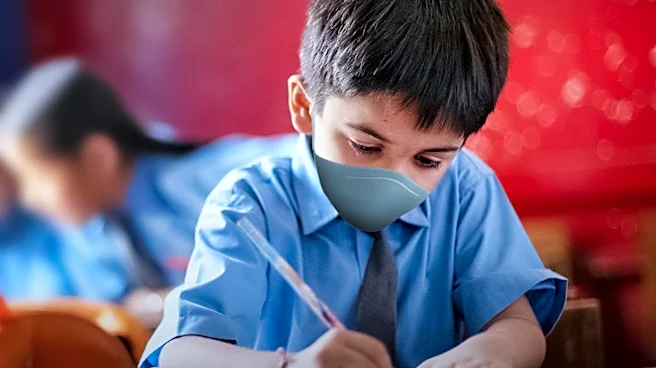
A two-stage study is underway in Lahore, Pakistan, to assess parental willingness to contribute financially to placing air purifiers in public secondary school classrooms. The first stage involves surveying parents to gather demographic information, their
beliefs about air pollution and its impact on learning, and their perceptions of air purifiers. Parents are then given an opportunity to contribute to an air purifier for their child's classroom through a two-stage Becker–DeGroot–Marschak (BDM) auction. Classroom-level provision of air purifiers occurs if at least 30% of parents contribute. The study also elicits parental beliefs about other parents' bids. The second stage involves installing air purifiers in classrooms that meet the contribution threshold and air quality monitors in all study classrooms, both with and without purifiers, as well as outside each school. Student academic performance will then be tracked throughout the year to evaluate the impact of classroom air purifiers.
Why It's Important?
This study is significant for understanding the perceived value parents place on improved indoor air quality in educational settings, particularly in regions facing air pollution challenges. The findings could inform public health initiatives and educational policies regarding environmental interventions in schools. By analyzing parental willingness to pay, the study provides insights into the economic feasibility and community support for such measures. The research also aims to quantify the impact of air purifiers on student academic performance, which could provide empirical evidence for advocating for better air quality in schools. The randomized interventions, including information treatments and bonus payments, will help isolate factors influencing parental contributions and the effectiveness of purifiers, offering valuable data for policymakers and school administrators considering similar programs.
What's Next?
The study will proceed with the second stage, which involves the installation of air purifiers and air quality monitors, followed by the monitoring of student academic performance throughout the year. Researchers will analyze the collected data to determine the effectiveness of air purifiers on student outcomes and the factors influencing parental contributions. The results are expected to provide insights into the potential for parent-funded initiatives to improve classroom environments. Future steps may include disseminating the findings to educational authorities and public health organizations, potentially leading to policy recommendations or pilot programs for air quality improvement in schools in Lahore and other similar regions. The study's methodology, particularly the use of randomized interventions, could also serve as a model for similar research in other contexts.
Beyond the Headlines
The study delves into the complex interplay of environmental health, parental engagement, and educational outcomes. Beyond the immediate findings on air purifiers, it highlights broader societal issues such as environmental justice and the unequal distribution of resources for health and education. The willingness of parents to contribute financially underscores a potential gap in public funding or policy for essential environmental controls in schools. It also touches upon the behavioral economics of public goods, examining how information and incentives influence collective action for community benefits. The research could spark discussions about the long-term health implications of poor indoor air quality for children and the ethical responsibilities of institutions to provide safe learning environments, potentially influencing future standards for school infrastructure and environmental regulations.