
What's Happening?
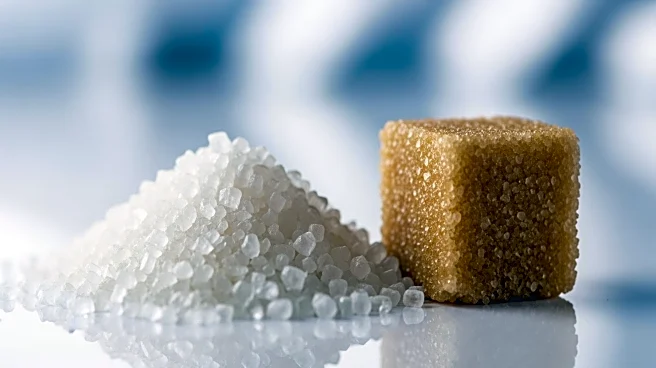
A recent study published in the journal Nature Metabolism has confirmed that sucralose, a zero-calorie sugar substitute found in products like Splenda®, can aid in weight management and improve gut health.
The study, known as the SWEET study, is one of the most comprehensive investigations into the effects of non-sugar sweeteners. It involved a randomized clinical trial comparing sugar and non-sugar sweeteners, including sucralose, over more than a year. Participants who replaced sugar with sucralose not only lost more weight but also experienced improvements in their gut microbiomes. This study challenges previous claims that sucralose might harm gut bacteria, which were based on a 2008 rat study that has since been questioned for data integrity.
Why It's Important?
The findings of the SWEET study have significant implications for public health, particularly for the 90 million Americans dealing with obesity and the 38 million affected by diabetes. By providing a scientifically backed alternative to sugar, sucralose offers a viable option for reducing sugar intake without sacrificing taste. This can lead to better health outcomes and potentially lower healthcare costs associated with obesity-related illnesses. The study supports the recommendations of health officials, including Secretary of Health and Human Services Robert F Kennedy Jr. and Secretary of Agriculture Brooke Rollins, who advocate for reduced sugar consumption. The validation of sucralose as a safe and effective sugar substitute could lead to broader acceptance and use in dietary practices.
What's Next?
With the SWEET study's findings, there may be increased advocacy for the use of non-sugar sweeteners in dietary guidelines and public health policies. Healthcare providers might more frequently recommend sucralose to patients, particularly those managing diabetes or obesity. The food and beverage industry could see a rise in products featuring sucralose as a key ingredient, catering to health-conscious consumers. Additionally, further research could be conducted to explore other potential health benefits of sucralose and similar sweeteners, as well as to address any remaining concerns about their long-term effects.
Beyond the Headlines
The study's results could influence cultural perceptions of sugar substitutes, shifting them from being seen as artificial and potentially harmful to being recognized as beneficial dietary tools. This shift could lead to a broader acceptance of non-sugar sweeteners in everyday diets, potentially transforming eating habits and reducing the stigma associated with their use. The findings also highlight the importance of rigorous scientific research in dispelling myths and guiding public health recommendations.