



What's Happening?
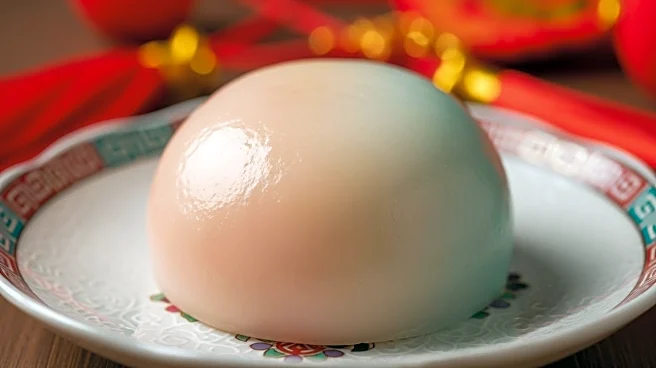
Fujiya Hawai‘i, a family-owned mochi shop in Honolulu, is preparing for the Lunar New Year by ramping up its production of traditional sweet treats. The shop, which has been in operation since 1953, is known for its mochi, a popular delicacy during festive
seasons. Owner Devin Wong and his son, Tyler, have reported selling 300 platters for Valentine's Day and approximately 350 sets for the Lunar New Year. To manage the high demand, the shop closes online orders and limits purchases to walk-ins during peak holiday periods, ensuring that customers can still enjoy their favorite mochi flavors. Devin Wong favors the traditional red bean mochi, while Tyler prefers the peanut butter banana variety.
Why It's Important?
The success of Fujiya Hawai‘i during the Lunar New Year highlights the cultural significance of mochi in Hawaiian and Asian communities, where it is a staple in celebrations. The shop's ability to maintain high sales volumes underscores the enduring popularity of traditional foods in modern society. This trend reflects a broader appreciation for cultural heritage and the role of small businesses in preserving these traditions. The shop's strategy of limiting online orders to manage demand also illustrates the challenges small businesses face in balancing customer satisfaction with operational capacity, especially during peak seasons.
What's Next?
As Fujiya Hawai‘i continues to navigate the challenges of high demand during festive periods, the shop may explore strategies to expand its production capacity or streamline operations to better serve its customers. This could involve investing in additional resources or adopting new technologies to enhance efficiency. Additionally, the shop might consider expanding its product offerings or exploring new markets to capitalize on its growing popularity. The continued success of Fujiya Hawai‘i could inspire other small businesses to adopt similar strategies to preserve cultural traditions while meeting modern consumer demands.