







What's Happening?
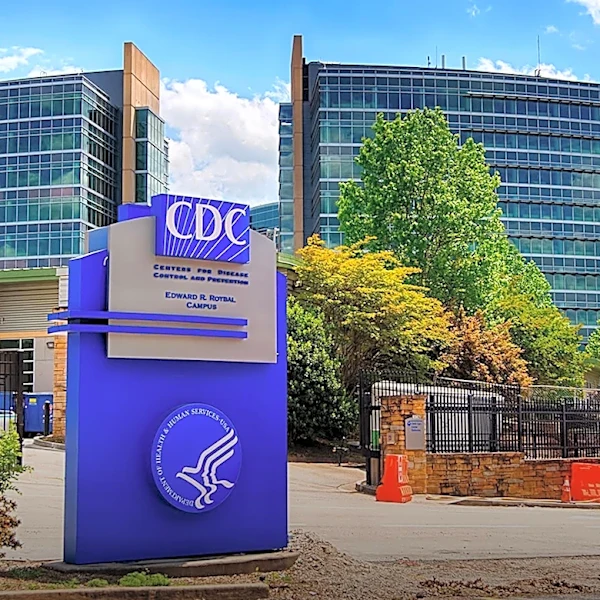
The Centers for Disease Control and Prevention (CDC) recommends that adults engage in at least 150 minutes of moderate-intensity physical activity per week. This guideline, detailed in the 'Adult Activity: An Overview' section of the CDC's Physical Activity Basics,
emphasizes that physical activity is crucial for both physical and mental health. Moderate-intensity activities, such as brisk walking, can be spread across the week and broken into smaller chunks, like 30 minutes on five days. Alternatively, adults can opt for 75 minutes of vigorous-intensity activity, such as jogging or running, or an equivalent combination of both. The CDC also advises incorporating muscle-strengthening activities on two or more days each week. The agency stresses that any amount of activity is better than none, and exceeding the 150-minute target brings additional health benefits.
Why It's Important?
These CDC guidelines are vital for public health in the U.S., addressing the widespread issue of sedentary lifestyles and their associated health risks. By providing clear, actionable recommendations, the CDC aims to empower individuals to improve their health, reduce the incidence of chronic conditions like type 2 diabetes and cardiovascular disease, and enhance overall well-being. The flexibility in meeting the guidelines—allowing for varied intensities and durations—makes physical activity more attainable for a broader population. Promoting regular movement can lead to a healthier workforce, reduced healthcare costs, and improved quality of life for older adults. The emphasis on community design, such as connecting sidewalks to destinations, highlights the importance of infrastructure in supporting public health goals and making physical activity safe and easy for everyone, including those using wheelchairs.
What's Next?
The CDC's ongoing efforts, such as the Active People, Healthy Nation initiative, will likely continue to advocate for community-level changes that facilitate physical activity. This includes promoting better urban planning, encouraging the opening of school playgrounds and tracks outside school hours, and raising awareness about the benefits of movement. Future public health campaigns may focus on innovative ways to integrate physical activity into daily routines, moving beyond traditional gym-centric approaches. There could also be increased collaboration between health organizations, local governments, and community groups to create environments that naturally encourage walking and other forms of moderate-intensity exercise. The continuous monitoring of physical activity levels and health outcomes will inform future adjustments and refinements to these guidelines.
Beyond the Headlines
The CDC's recommendations underscore a societal challenge: how to encourage movement in an increasingly sedentary world. Beyond individual health, the guidelines touch upon broader implications for urban development, public policy, and even social equity. Communities with limited access to safe walking paths or recreational facilities may face greater health disparities, highlighting the need for equitable resource distribution. The concept of 'brisk walking' as a benchmark for moderate intensity also subtly shifts the focus from strenuous exercise to achievable, everyday activities, potentially destigmatizing physical activity for those who feel intimidated by intense workouts. This approach could foster a culture where movement is seen not as a chore, but as an integral and enjoyable part of daily life, leading to long-term shifts in lifestyle and public health attitudes.