

What's Happening?
The U.S. military is preparing for the potential impacts of the current El Niño event, which is expected to bring significant weather changes across the country. The National Oceanic and Atmospheric Administration (NOAA) has forecasted wetter conditions
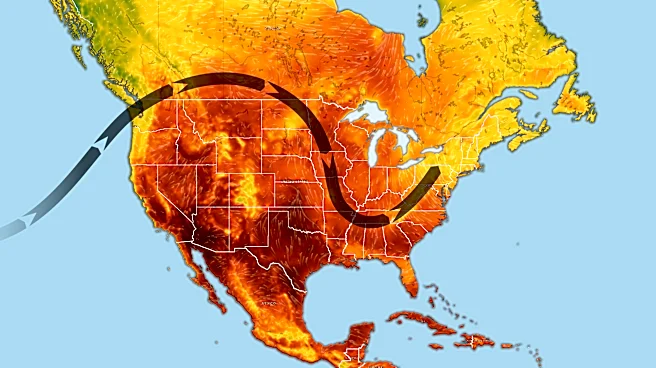
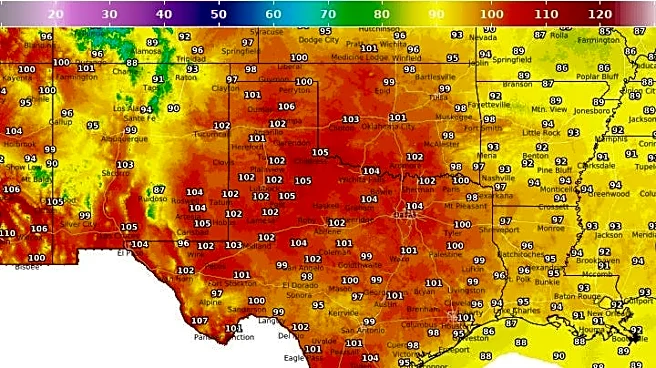
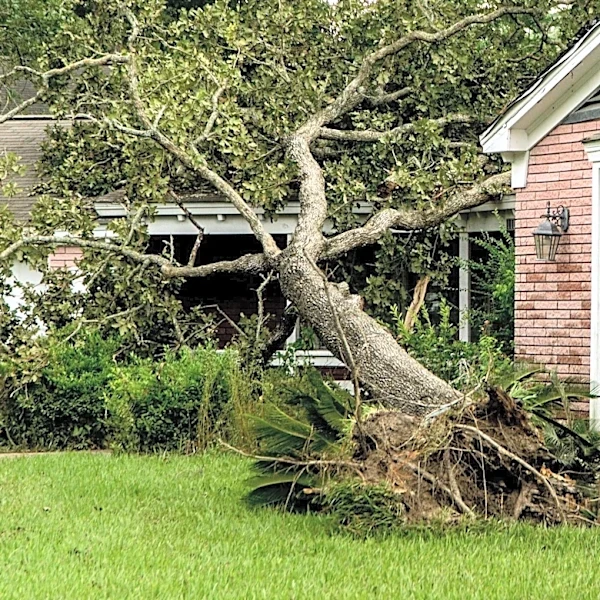
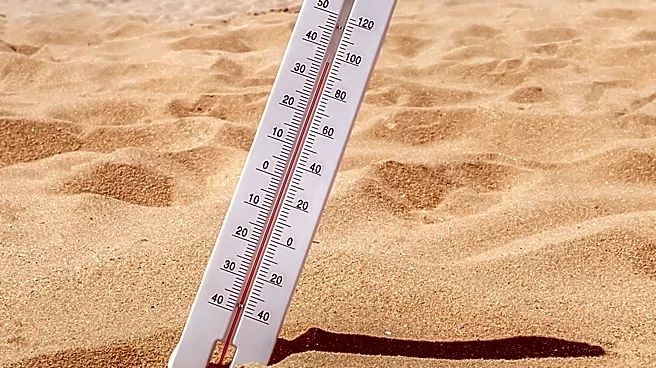
in the southern U.S. and a warmer northern tier, which could lead to increased flooding and heat stress. These conditions pose operational challenges for military installations, particularly in the South and Southwest, where training and maintenance activities may be disrupted. The military is advised to treat El Niño as a threat indicator, requiring strategic adjustments to ensure operational readiness.
Why It's Important?
El Niño's impact on weather patterns can significantly affect military operations, as installations may face infrastructure challenges due to flooding and heat. The ability to adapt to these conditions is crucial for maintaining military readiness and effectiveness. By treating El Niño as a threat indicator, the military can proactively address potential disruptions, ensuring that essential functions continue despite adverse weather conditions. This approach highlights the importance of integrating climate considerations into military planning and operations.
What's Next?
Military commanders are expected to implement measures to mitigate the impacts of El Niño, such as testing continuity plans and ensuring the resilience of critical infrastructure. This preparation includes checking backup systems and revisiting training schedules to accommodate extreme weather. The military's response to El Niño will serve as a model for future climate-related challenges, emphasizing the need for ongoing adaptation and resilience planning.