







What's Happening?
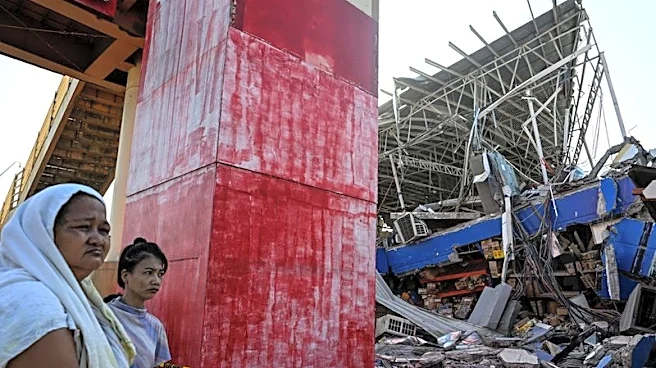
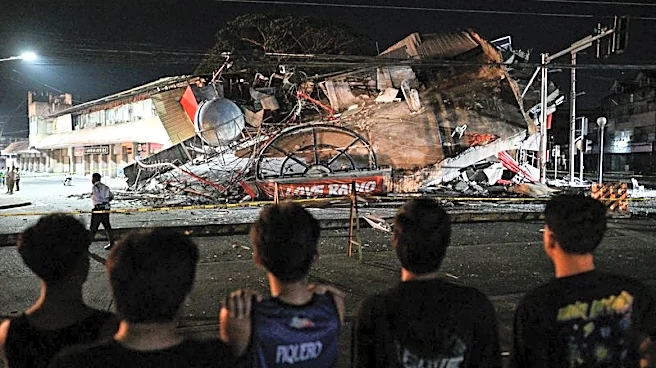
A powerful 7.8-magnitude earthquake struck the southern Philippines, particularly affecting the city of General Santos and surrounding regions. The quake resulted in at least 19 deaths and over 130 injuries, with significant damage to infrastructure,
including St Elizabeth Hospital. Tsunami warnings were issued but later lifted. The earthquake has caused disruptions in air travel, with Philippine Airlines and Cebu Pacific grounding flights to and from General Santos. The broader tourism industry in the Philippines remains largely unaffected, with major tourist destinations like Cebu and Boracay operating normally.
Why It's Important?
The earthquake's impact on travel and infrastructure highlights the challenges faced by the Philippines in maintaining connectivity and safety in the wake of natural disasters. The grounding of flights and potential disruptions to road and ferry services could affect local economies and the tourism sector, a significant contributor to the national economy. The event underscores the importance of disaster preparedness and the need for resilient infrastructure to minimize disruptions and ensure rapid recovery. The response of airlines and the tourism industry will be critical in managing the immediate aftermath and restoring normalcy.
What's Next?
Authorities will continue safety inspections and assess the full extent of the damage. Airlines are offering flexible rebooking options to affected passengers, and further travel advisories may be issued. The government and local agencies will likely focus on restoring essential services and infrastructure. The situation may prompt a review of disaster response protocols in the travel and tourism sectors to enhance resilience against future events.