




What's Happening?
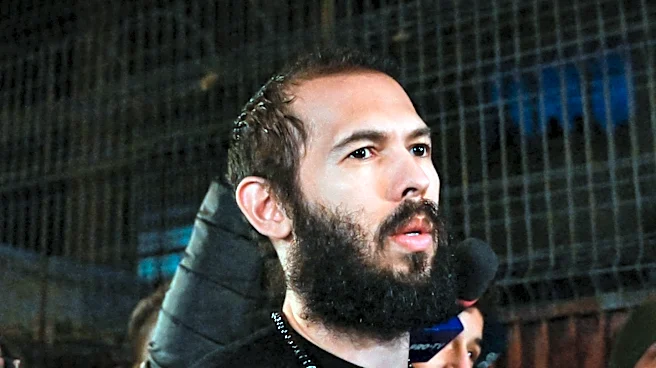
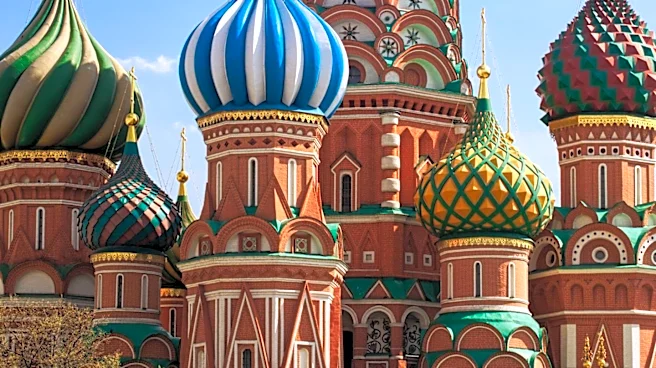
Andrew and Tristan Tate have been referred to Britain’s counter-terror policing unit and the Home Office by MP Alicia Kearns. The referral stems from a video showing the brothers in Russia, dressed in camouflage and body armor, riding a Soviet-era T-80BV
battle tank, handling weapons including a flamethrower, and throwing grenades. Ms. Kearns alleges that the brothers could be legally required to register under the Foreign Influence Registration Scheme (FIRS), which is part of the National Security Act. This legislation mandates individuals to register certain arrangements if they conduct activities in the UK under the direction of, or for, specified foreign powers. The brothers deny these allegations, stating their visit to Russia was private and personal, and they received no payment, compensation, or direction from the Russian state. They claim their public messaging during the visit advocated for dialogue and peace, not propaganda. No charges have been brought against them, and no authority has found them in breach of FIRS.
Why It's Important?
This situation highlights the increasing scrutiny on individuals and online personalities who may be perceived as promoting the interests of foreign states, particularly those considered hostile. The Foreign Influence Registration Scheme (FIRS) is designed to ensure transparency regarding foreign influence in the UK's political system and democracy. If the Tate brothers were found to be acting under the direction or for the benefit of the Russian state without registration, it would underscore the challenges governments face in monitoring and regulating foreign influence, especially in the digital age. The case could set a precedent for how online content creators and influencers are held accountable under national security laws, potentially impacting the scope of free expression versus national security concerns. It also brings into focus the broader geopolitical tensions and the role of non-state actors in disseminating narratives that align with foreign policy objectives.
What's Next?
The referral to Counter Terrorism Policing and the Home Office indicates that an investigation will likely be initiated to determine if the Tate brothers' actions fall under the purview of the Foreign Influence Registration Scheme. Authorities will need to assess whether there was an arrangement with a foreign power, direction by a foreign power, or payment by a foreign power, and if any political influence activity was carried out in the United Kingdom on behalf of a foreign power. The brothers' representatives maintain that there is no proper basis to suggest they were required to register. The outcome of this investigation could lead to further legal action, potentially including charges under the National Security Act, which carries a maximum sentence of five years’ imprisonment for failing to register. This case may also prompt a broader discussion on the interpretation and enforcement of foreign influence laws in the context of social media and online content creation.
Beyond the Headlines
The incident with Andrew and Tristan Tate delves into the complex interplay between online influence, national security, and the spread of information in a highly interconnected world. Beyond the immediate legal implications, it raises questions about the ethical responsibilities of public figures and the potential for their platforms to be leveraged, intentionally or unintentionally, by foreign entities. The concept of 'Russian propaganda' in this context extends beyond traditional state-sponsored media to include content created by individuals that may align with a foreign state's narrative. This blurs the lines between personal expression, entertainment, and political influence, making it challenging for regulatory bodies to draw clear boundaries. The case could contribute to a growing debate about how democratic nations can protect themselves from foreign interference while upholding principles of free speech, especially when the alleged influence is subtle or indirect.