




What's Happening?
The Ministry of Agriculture, Livestock, and Food (Maga) in Guatemala is seeking Q35 million to complete its program for distributing fortified food to individuals facing food insecurity. The total estimated cost for this initiative is Q55 million. The Secretariat
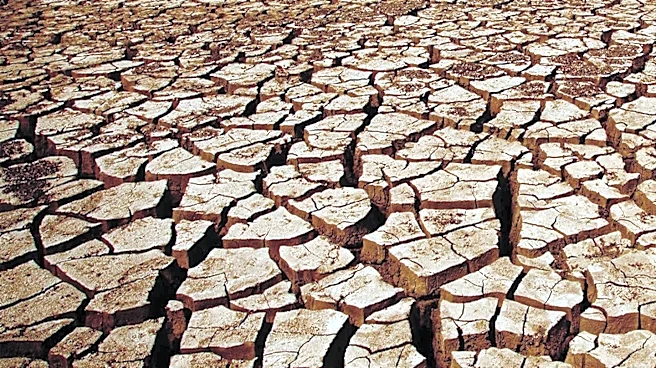
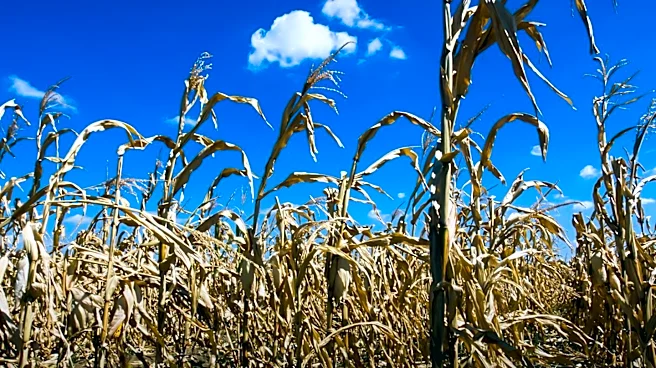
of Food Security and Nutrition (Sesán) has already allocated Q20 million from its budget for the initial purchase. Dinora Herrera, Vice Minister of Food Security and Nutrition (Visan), stated that efforts are underway to secure the remaining funds through the Ministry of Finance and by identifying resources within other public institutions. The vice president, Karin Herrera, who presides over the National Council of Food Security and Nutrition (Conasán), emphasized the urgency of these procedures, especially given the ongoing drought and adverse agro-climatic conditions that are exacerbating food insecurity. Currently, 3.2 million people across 10 departments in Guatemala are experiencing significant food shortages, a situation expected to persist until September. The funds are intended for Program 11, which focuses on food access and availability for families in poverty and extreme poverty.
Why It's Important?
This funding gap highlights a critical challenge in Guatemala's efforts to address widespread food insecurity, which is being intensified by climate-related issues like drought. The inability to fully fund the fortified food distribution program could have severe consequences for vulnerable populations, particularly children and pregnant or lactating women, who are most susceptible to malnutrition. The urgency expressed by Vice President Herrera underscores the immediate need for action, as delays in food aid can lead to irreversible health impacts and increased social instability. The situation also reveals potential systemic issues in budget allocation and inter-institutional coordination, as Maga's budget has already seen significant reductions, including Q58 million diverted to fuel subsidies. The potential for further budget cuts, such as an additional Q170 million for another fuel subsidy, could further compromise essential food security programs and exacerbate the crisis.
What's Next?
Maga will continue its efforts to secure the Q35 million needed to fully implement the fortified food distribution program. This involves ongoing negotiations with the Ministry of Finance and exploring potential reallocations from other public institutions. Vice President Herrera has instructed Sesán to provide support to Maga in these efforts to ensure that fortified food reaches families with children in food insecurity during the current quarter. The process for identifying beneficiary families involves municipal and community councils, with Sesán analyzing applications and Maga handling logistics and distribution. However, without the necessary funds, the timeline for delivering this crucial aid remains uncertain. Humanitarian organizations like Oxfam are stressing the importance of timely intervention, warning that delays could force affected families into deeper vulnerability, debt, or unsustainable coping mechanisms.
Beyond the Headlines
The struggle to secure funding for food aid in Guatemala reflects a broader tension between immediate economic pressures, such as fuel subsidies, and long-term humanitarian needs. The repeated diversion of funds from critical social programs, like those addressing food insecurity, can perpetuate cycles of poverty and vulnerability. This situation also underscores the profound impact of climate change on agricultural output and food security in regions already prone to environmental challenges. The reliance on external support, such as the World Food Program for purchasing fortified food, highlights the limitations of national resources and the importance of international cooperation. Ethically, the delay in providing essential nutrition raises questions about governmental priorities and the protection of fundamental human rights, particularly for the most vulnerable segments of society. The long-term implications include potential increases in chronic malnutrition, health issues, and educational setbacks for affected children, impacting the country's future human capital.