



What's Happening?
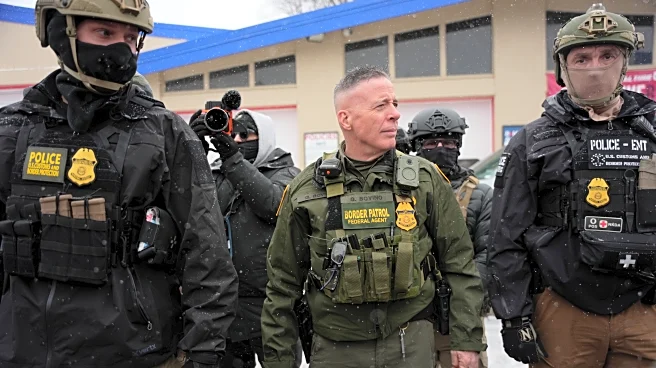
Two federal judges have issued rulings against the Trump administration's immigration enforcement practices in Oregon and Minnesota. In Oregon, Judge Mustafa Kasubhai ordered ICE to stop warrantless arrests, citing violations of constitutional protections.
In Minnesota, Judge John Tunheim blocked a policy allowing detention of refugees without clear congressional authority. These rulings challenge the administration's expansive enforcement campaign, which critics argue raises civil liberties concerns. The decisions require ICE to comply with constitutional requirements while litigation continues.
Why It's Important?
The rulings represent significant legal setbacks for the Trump administration's immigration policies, emphasizing the judiciary's role in upholding constitutional protections. These decisions could impact future enforcement strategies and policies, potentially leading to more stringent oversight of immigration practices. The rulings also highlight ongoing debates about civil liberties and government authority, influencing public discourse and policy development. Stakeholders, including immigrant advocacy groups and legal experts, may use these decisions to push for reforms in immigration enforcement.
What's Next?
The legal proceedings will continue as the courts assess the merits of the cases. The rulings may prompt changes in ICE's enforcement practices, potentially leading to policy revisions. Stakeholders, including immigrant advocacy groups and government officials, will likely engage in discussions about the implications of these decisions. The outcomes could influence future immigration policies and enforcement strategies, shaping the national debate on immigration and civil liberties.