




What's Happening?
A 2024 study by the German Institute for International and Security Affairs (SWP), a think tank advising the German government and parliament, indicates that Ankara strategically employs arms exports to expand its international networks and access markets
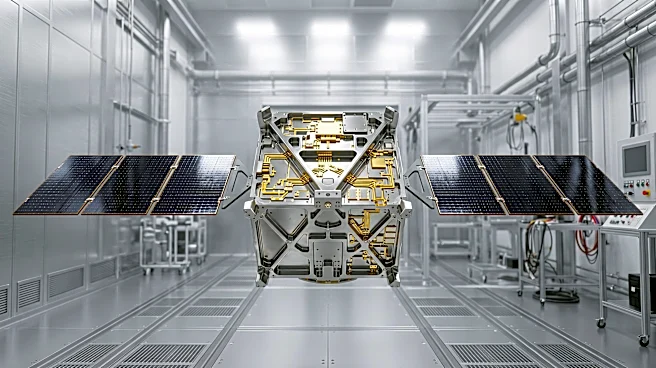
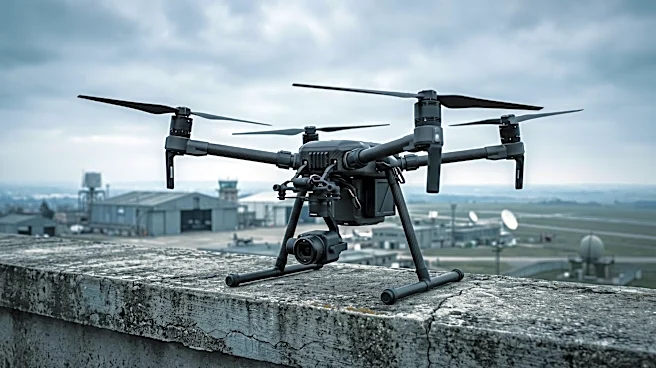
that other NATO countries are hesitant to engage with. This approach allows Türkiye to convert defense deals into sustained influence, with results varying based on the importing country's relationship and the depth of military and industrial cooperation. Türkiye's defense industry has become a significant foreign policy tool, with state and private companies collaborating from initial presidential visits or military agreements through supply, training, maintenance, and local production. This strategy has propelled Türkiye to 11th place among major global arms exporters in 2021–2025, with a 122% increase in export volume compared to 2016–2020. The value of Turkish defense and aerospace exports reached $10.05 billion in 2025, driven by the industry's need for markets to fund development and maintain production.
Why It's Important?
Türkiye's strategic use of defense exports is reshaping its geopolitical standing and influencing international security dynamics. By entering markets overlooked by other NATO members, Ankara is forging new alliances and deepening existing partnerships, particularly in regions like the Black Sea, the Middle East, and South Asia. This approach provides Türkiye with recurring access to the defense ministries, militaries, and arms procurement institutions of importing countries, often evolving into long-term security and economic collaborations. The growth of Türkiye's defense industry not only boosts its economy but also enhances its diplomatic leverage and military capabilities abroad. For the U.S. and its NATO allies, this development presents a complex challenge, as Türkiye's independent foreign policy, facilitated by its defense exports, may not always align with broader NATO objectives. The study underscores the evolving nature of international power dynamics, where defense industrial capacity increasingly translates into political influence and strategic autonomy.
What's Next?
Türkiye is expected to continue leveraging its growing defense industry to expand its global influence, seeking new markets and deepening existing partnerships. The emphasis on localization and technology transfer in its defense deals suggests a long-term strategy to embed Turkish industrial presence within partner nations, ensuring sustained engagement through maintenance, training, and joint production. However, the success of this strategy is contingent on Türkiye's ability to maintain independence in its supply chains and offer advanced technologies, as demonstrated by past delivery failures due to reliance on foreign components. The ongoing development of its defense sector will likely lead to further integration of its foreign and security policies, potentially creating both opportunities and challenges for its relationships with traditional allies and new partners. The Center for Applied Turkey Studies (CATS) suggests that Turkish-Ukrainian defense cooperation could form the basis for Black Sea security arrangements, indicating a potential for Türkiye to play a more significant role in regional security architectures.
Beyond the Headlines
Beyond the immediate economic and military implications, Türkiye's defense export strategy reflects a broader ambition to reduce external influence over its military decisions and project its own strategic interests globally. This drive for self-reliance, initially aimed at its own military, is now being extended to other nations through technology transfer and joint production. This approach fosters a complex dynamic where purchasing states gain capabilities and industrial expertise, while Türkiye secures long-term access and influence. The ethical dimension of arms exports, particularly to regions with geopolitical sensitivities, also comes into play, raising questions about regional stability and human rights. The long-term impact could be a more multipolar global defense landscape, where emerging powers like Türkiye play a more prominent role in shaping security arrangements, potentially challenging the traditional dominance of established arms exporters and their associated political frameworks.