




What's Happening?
Iran-linked hackers have successfully targeted and disrupted operations at multiple US industrial sites, including oil, gas, and water facilities. This marks an escalation in cyberattacks from Tehran since the onset of the US-Israeli conflict with Iran.
The attacks have forced some sites to operate manually, leading to financial losses. The hackers have attempted to use destructive malware to delete data, although the success of these attempts remains unclear. The FBI and the Department of Homeland Security have issued urgent warnings to US critical infrastructure firms about these ongoing threats, which aim to cause disruptive effects within the United States.
Why It's Important?
The cyberattacks represent a significant threat to US critical infrastructure, highlighting vulnerabilities in internet-connected systems. These disruptions could lead to physical impacts and safety concerns, posing a serious risk to human life and economic stability. The attacks offer Iran an asymmetric method to retaliate against US and Israeli actions, as Iranian missiles cannot yet reach the US homeland. The situation underscores the importance of cybersecurity measures for infrastructure providers, particularly those who have not yet addressed these vulnerabilities.
What's Next?
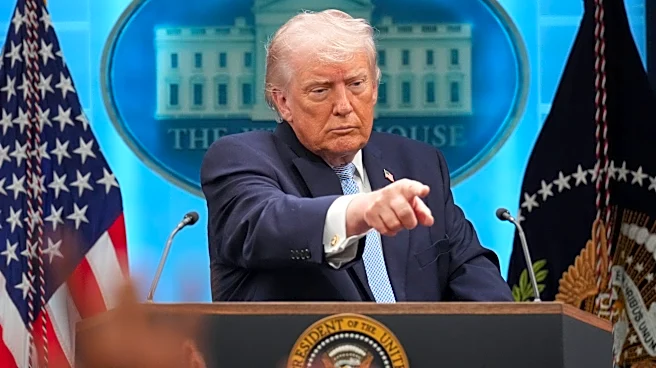
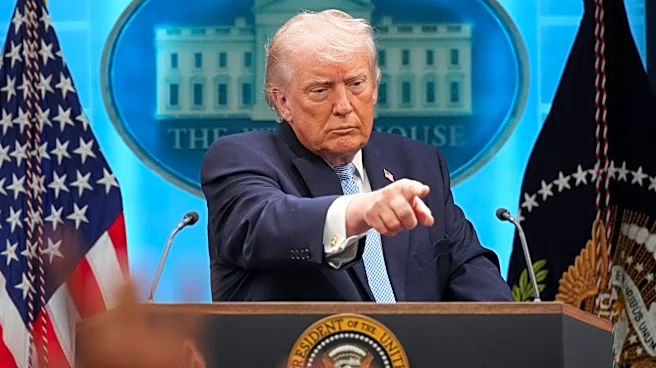
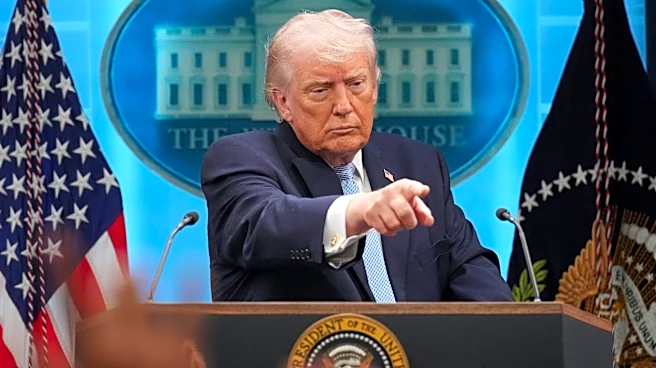
President Trump has agreed to a two-week ceasefire with Iran, potentially easing immediate tensions. However, the threat of cyberattacks remains, and US infrastructure providers must continue to bolster their cybersecurity defenses. The federal advisory suggests that companies should remove vulnerable systems and follow guidance to mitigate risks. The ongoing conflict and cyber threats may prompt further diplomatic and military responses from the US and its allies.
Beyond the Headlines
The psychological component of these cyberattacks, including boasting by Iranian hackers, adds a layer of complexity to the conflict. The attacks not only aim to disrupt operations but also to instill fear and uncertainty. This tactic could influence public perception and policy decisions, as the US government and its allies assess the broader implications of cyber warfare in geopolitical conflicts.