






What's Happening?
New York's state budget, recently unveiled and passed after a delayed negotiation process, includes provisions that significantly weaken the 2019 Climate Leadership and Community Protection Act (CLCPA) and the State Environmental Quality Review Act (SEQRA).
The budget, part of the Transportation and Economic Development (TED) section, was revealed just hours before voting, sparking criticism for its secretive negotiation process. The changes delay the implementation of climate regulations by five years and reduce the state's accountability in meeting emission reduction targets. Additionally, the budget exempts most new housing construction from environmental reviews under SEQRA, raising concerns about potential environmental impacts. Environmental groups, including the Sierra Club, have criticized these rollbacks, arguing they undermine years of progress and could lead to increased reliance on fossil fuels and higher energy costs.
Why It's Important?
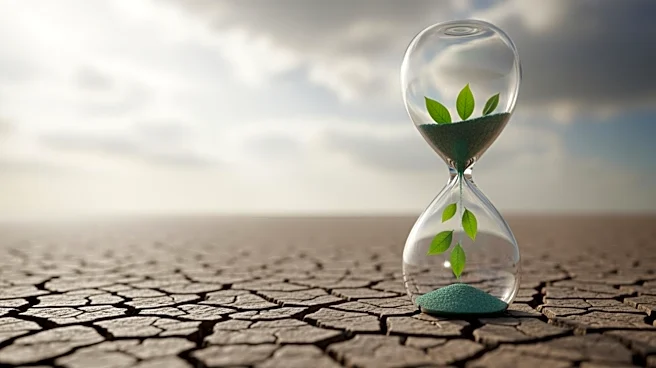
The budget's provisions could have significant implications for New York's environmental policies and climate goals. By delaying the implementation of the CLCPA, the state risks missing critical emission reduction targets, potentially exacerbating climate change impacts. The exemption of housing projects from SEQRA reviews could lead to unchecked development, harming ecosystems and communities. These changes may also affect New York's leadership role in climate action, as the state had previously been seen as a model for progressive environmental legislation. The rollback could result in increased pollution and energy costs, affecting residents' quality of life and the state's economic stability.
What's Next?
The Sierra Club and other environmental advocates are urging the New York legislature to pass new legislation to counteract the budget's rollbacks. They aim to advance renewable energy projects and address environmental issues such as PFAS contamination and emissions from landfills. The legislature's response and potential new laws will be crucial in determining the future of New York's environmental policies. Additionally, public and political reactions to these changes could influence future budget negotiations and environmental legislation.