







What's Happening?
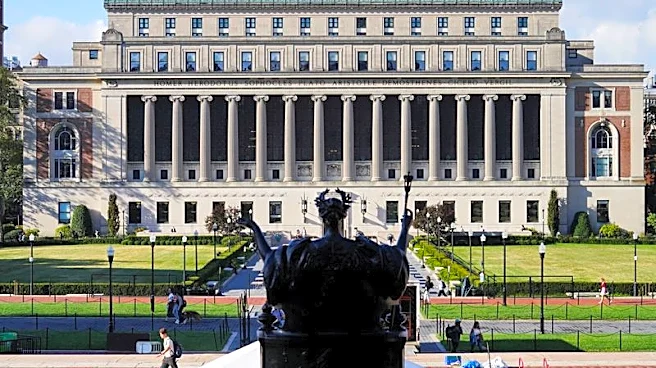
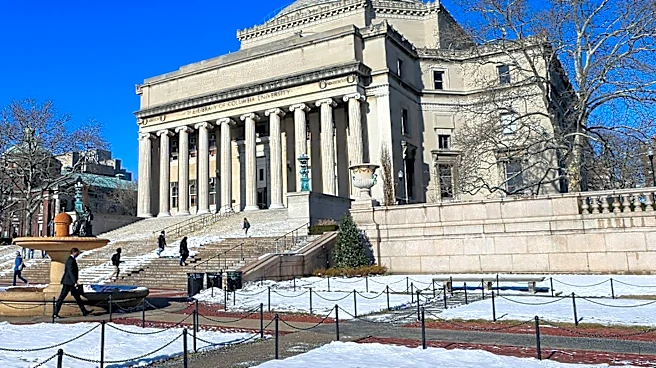
The Columbia Climate School has opened applications for its 2027 Postdoctoral Research Program, offering a fully funded opportunity for early-career researchers. This program, administered through Columbia University in New York City, aims to advance
knowledge and practical solutions related to climate change, sustainability, environmental science, social justice, geosciences, and global sustainable development. Successful candidates will engage in independent and collaborative research within Columbia University's academic and research ecosystem. The program provides an annual salary of US$72,116, a US$7,000 research stipend, employee benefits, mentoring, and professional development opportunities. The application deadline for the 2027 cohort is Friday, October 30, 2026, at 11:59 p.m. Eastern Time. The program emphasizes interdisciplinary research, encouraging scholars to work across various fields such as environmental science, economics, public policy, engineering, technology, social systems, governance, justice, public health, and data science. Applicants are encouraged to identify potential mentors from across Columbia University's research units and departments before submitting their applications.
Why It's Important?
This postdoctoral program is crucial for fostering the next generation of climate and sustainability leaders, directly addressing the complex challenges posed by climate change. By offering substantial financial support and access to Columbia University's extensive resources, the program attracts top talent, ensuring that critical research in areas like Earth systems, social justice, and data analytics for climate action continues to advance. The interdisciplinary approach is particularly significant, as it recognizes that climate change solutions require integrated efforts across diverse academic fields, moving beyond siloed research. This initiative not only contributes to scientific understanding but also aims to translate academic knowledge into actionable solutions for policymakers, communities, and industries. The focus on equitable and just solutions underscores a commitment to addressing the disproportionate impacts of climate change on vulnerable populations, aligning research with broader societal needs and promoting a more inclusive approach to climate action.
What's Next?
Applications for the 2027 cohort are due by October 30, 2026. Following the application period, a rigorous multi-stage selection process will be conducted by the Columbia Climate School Postdoctoral Selection Committee, comprising senior faculty members. Final appointment decisions are expected to be announced by April 2027. Most appointments are anticipated to begin around September 1, 2027, though some may start as early as July 1, depending on individual circumstances and host unit needs. Selected postdoctoral researchers will then embark on their 12-month appointments, with the possibility of an extension for an additional 12 months, subject to available funding. During their tenure, they will participate in various academic and professional activities, including orientation sessions, spring and fall research symposia, and a dedicated seminar series, all designed to strengthen research skills and encourage interdisciplinary collaboration.
Beyond the Headlines
The Columbia Climate School's initiative reflects a growing recognition within academia and policy circles that climate change is not merely an environmental issue but a multifaceted crisis with profound ethical, social, and economic dimensions. By prioritizing research that contributes to 'equitable and just solutions,' the program implicitly challenges traditional approaches that might overlook the human and societal costs of climate inaction or poorly conceived interventions. This emphasis on social justice and governance within climate research could lead to the development of more inclusive and effective climate policies, fostering long-term shifts in how climate solutions are conceptualized and implemented. Furthermore, the program's encouragement of interdisciplinary collaboration could break down academic silos, leading to innovative breakthroughs that emerge from the synthesis of diverse perspectives, ultimately shaping a more holistic and integrated understanding of global sustainable development.