





What's Happening?
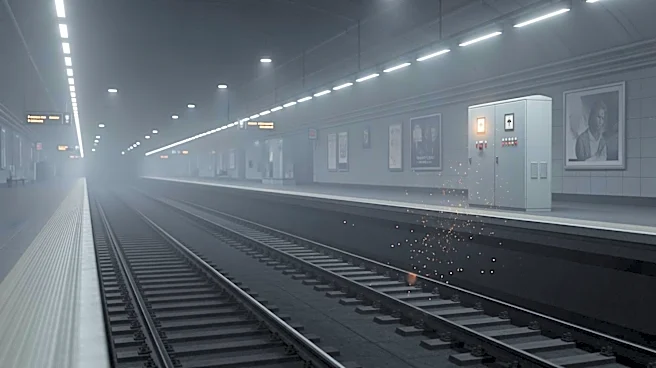
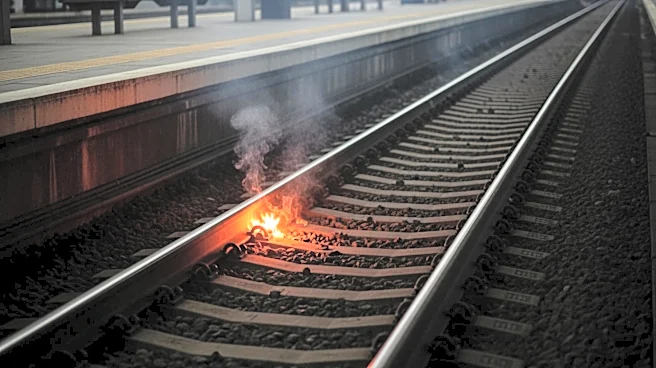
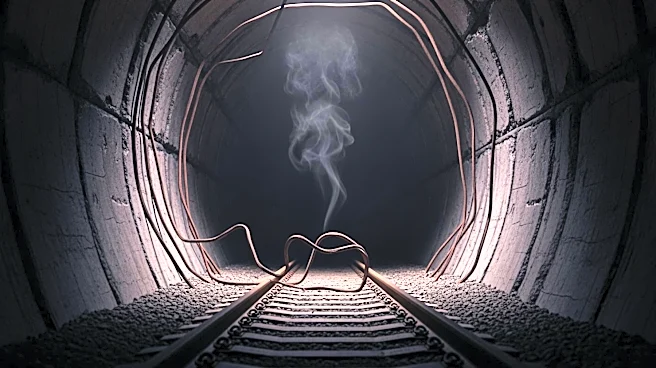
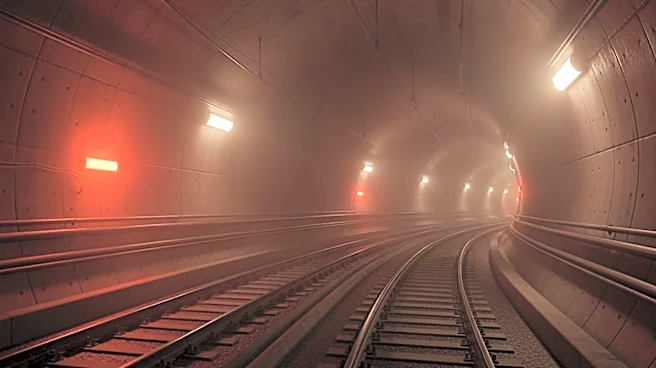
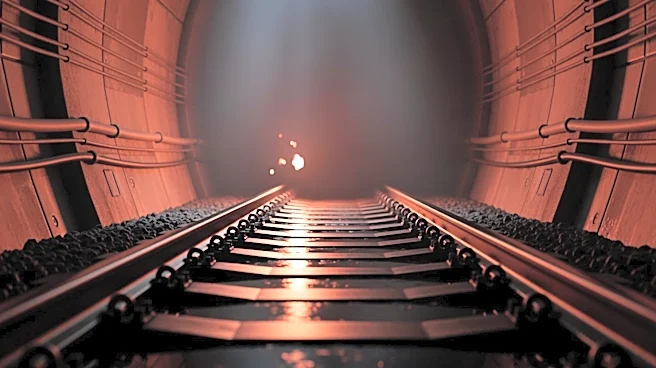
The Long Island Rail Road (LIRR) and NJ Transit are diverting trains due to a fire in Amtrak's East River tunnels, which has caused significant service disruptions. The fire, which broke out on Thursday morning, led to the closure of the tunnels, affecting
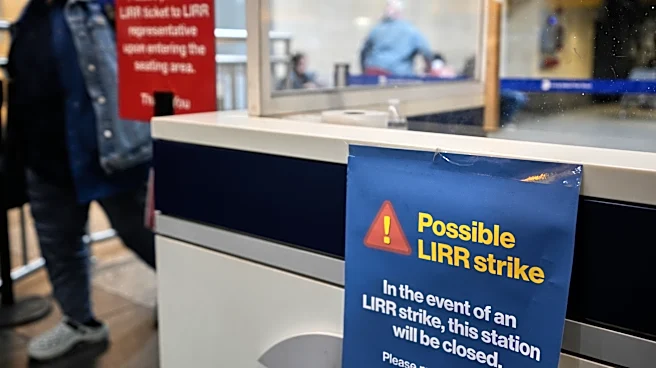
LIRR, NJ Transit, and Amtrak services. As a result, NJ Transit is diverting its Midtown direct service to the Hoboken terminal, while LIRR is rerouting most of its trains to Grand Central or Atlantic Terminal, with no westbound service to Penn Station. The disruptions come as LIRR prepares for a potential service shutdown due to a stalemate in negotiations between LIRR workers' unions and the Metropolitan Transportation Authority (MTA) over pay raises and work rules. Amtrak plans to reopen the tunnels by 5 a.m. Saturday, but delays of about 40 minutes are expected for trains passing through the New York area.
Why It's Important?
The disruptions highlight the vulnerability of the New York area's rail infrastructure and the potential impact on commuters and the economy. The LIRR is a critical component of the region's transportation network, serving nearly 300,000 passengers daily. The ongoing negotiations between LIRR workers' unions and the MTA underscore the challenges in balancing labor demands with operational needs. The fire incident also raises concerns about the maintenance and safety of aging infrastructure, which could have broader implications for transportation policy and funding priorities. Commuters and businesses relying on these services face significant inconvenience and potential economic losses due to the disruptions.
What's Next?
Amtrak's plan to reopen the East River tunnels by Saturday morning may alleviate some of the immediate disruptions, but the potential LIRR strike looms as a significant concern. If the unions and the MTA fail to reach an agreement, a strike could lead to a complete shutdown of LIRR services, exacerbating commuter challenges. Stakeholders, including political leaders and transportation authorities, may need to intervene to facilitate negotiations and prevent further disruptions. Additionally, the incident may prompt a reevaluation of infrastructure investment and maintenance strategies to prevent similar occurrences in the future.