


What's Happening?
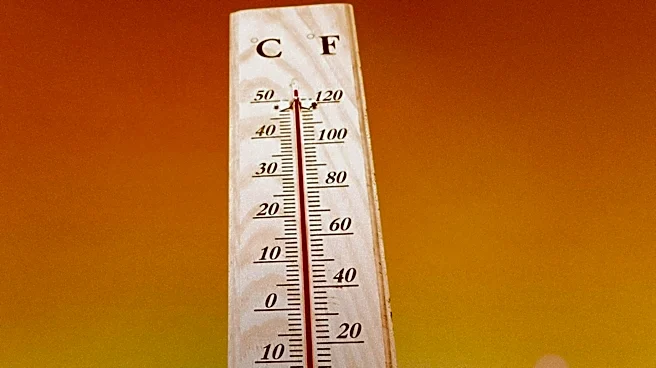
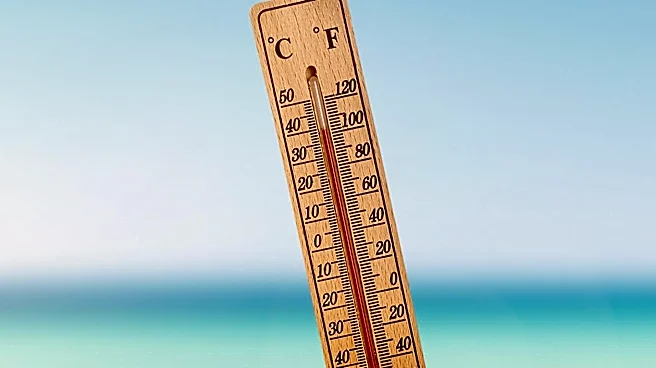
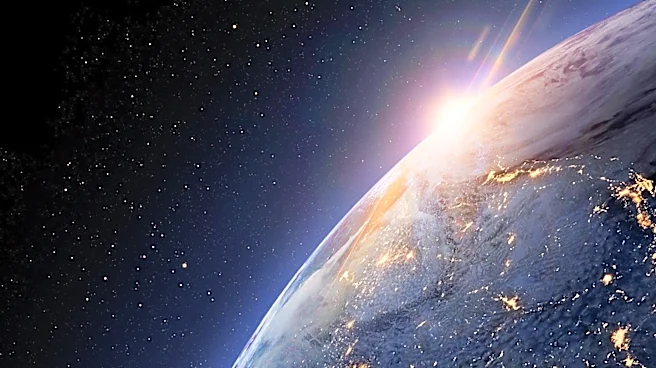
The climate crisis is marked by record-high levels of greenhouse gases, rising temperatures, and melting glaciers, according to recent data. Carbon dioxide, primarily from burning fossil fuels, is the most significant greenhouse gas, with its atmospheric
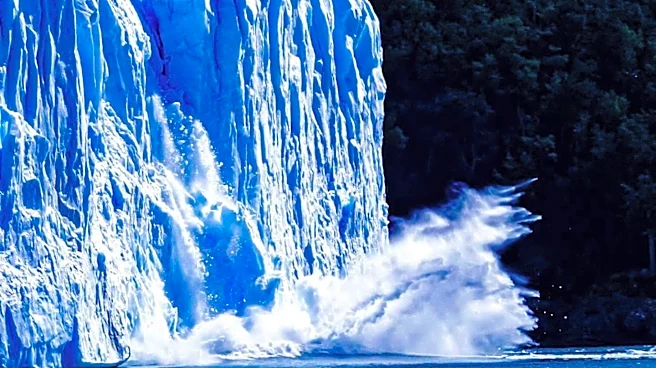
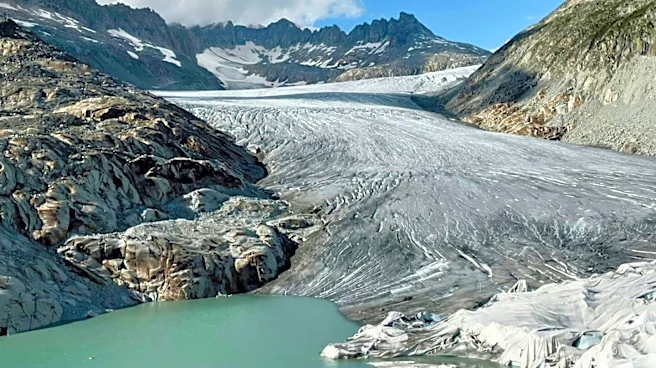
concentration at the highest level in 800,000 years. Methane and nitrous oxide, largely from agriculture and industrial processes, also contribute significantly to global warming. The continuous melting of glaciers for the 38th consecutive year is a stark indicator of climate change. Ocean acidification, caused by excess CO2 absorption, threatens marine life and coral reefs. These changes underscore the urgent need for solutions to mitigate the environmental impacts of human activities.
Why It's Important?
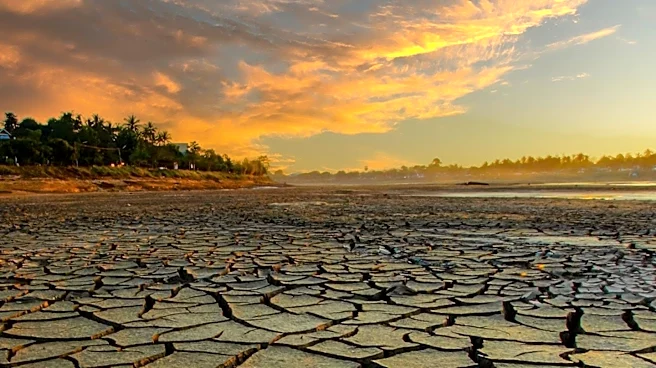
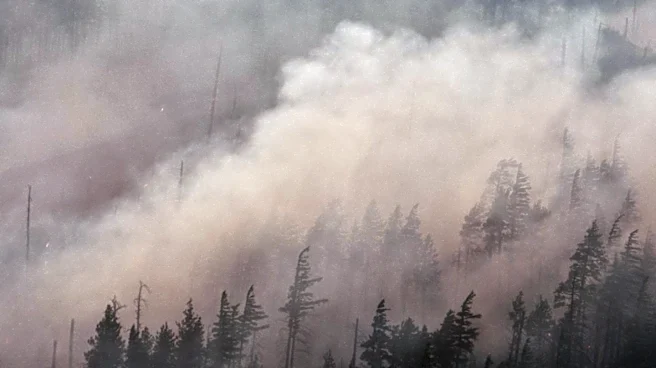
The implications of climate change are profound, affecting global temperatures, sea levels, and weather patterns. Rising sea levels threaten coastal communities and ecosystems, while extreme weather events like heatwaves, droughts, and floods cause widespread disruption. The environmental transformations impact biodiversity, with shifts in plant and animal life cycles. Addressing these issues is crucial for sustainable development and requires coordinated efforts to reduce greenhouse gas emissions. The data highlights the need for transitioning to cleaner energy sources and implementing policies that promote environmental conservation.
What's Next?
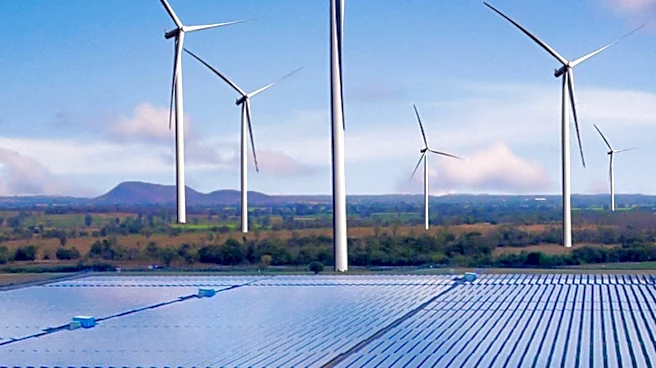
Efforts to combat climate change will likely focus on reducing fossil fuel consumption and enhancing renewable energy adoption. Governments and organizations may increase investments in climate research and technology to develop effective mitigation strategies. International cooperation will be essential to address the global nature of the crisis, with potential policy changes aimed at reducing emissions and promoting sustainable practices. Public awareness campaigns and educational initiatives could play a role in encouraging individual and collective action towards a more sustainable future.
Beyond the Headlines
The ethical dimensions of climate change involve considerations of environmental justice, as vulnerable populations are disproportionately affected by its impacts. Legal frameworks may evolve to hold industries accountable for their contributions to greenhouse gas emissions. Culturally, there may be shifts towards valuing sustainability and conservation, influencing consumer behavior and lifestyle choices. Long-term, the crisis could drive innovation in green technologies and reshape economic models to prioritize environmental health.