






What's Happening?
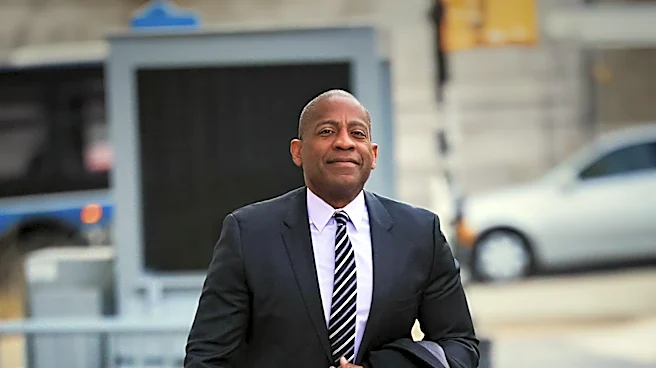
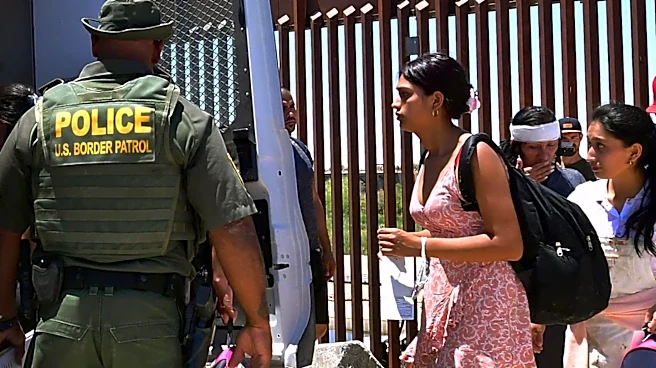
Congresswoman April McClain Delaney is actively monitoring reports of federal immigration agents maintaining a visible presence in several Frederick neighborhoods for over 30 hours. Residents have described the activity as ongoing, leading to significant
concern within the community. McClain Delaney noted that some families, including those with lawful immigration status, are feeling scared and are choosing to stay indoors. In response, she has contacted local officials to gather more information and has made her office available to constituents who require assistance or information regarding their rights. This situation highlights ongoing tensions and anxieties within immigrant communities when federal immigration enforcement operations are perceived as widespread or sustained. The Congresswoman's direct engagement underscores the impact such operations have on daily life and community well-being.
Why It's Important?
The sustained presence of federal immigration agents in Frederick, as reported by Congresswoman McClain Delaney, is significant due to its potential to create fear and uncertainty among residents, including those legally residing in the U.S. Such operations can disrupt daily life, impact local economies as people may limit their movements, and strain community relations with law enforcement. For families with mixed immigration statuses, these events can be particularly distressing, leading to psychological stress and a reluctance to engage with public services. The Congresswoman's intervention signals a recognition of these broader societal impacts and aims to provide reassurance and resources to affected constituents. This situation also brings to the forefront the ongoing national debate surrounding immigration enforcement tactics and their human cost, particularly in communities with diverse populations.
What's Next?
In the immediate future, Congresswoman McClain Delaney's office will continue to monitor the situation in Frederick and serve as a resource for constituents seeking help or information about their rights. Further communication between her office and local officials is expected as they work to understand the scope and nature of the federal immigration presence. Depending on the duration and impact of these operations, there could be increased calls for transparency from federal agencies regarding their activities and protocols. Community organizations and advocacy groups may also become more active in providing support and legal aid to affected families. The situation could also prompt broader discussions at the state and federal levels regarding the balance between immigration enforcement and community well-being, potentially influencing future policy debates or oversight efforts.
Beyond the Headlines
Beyond the immediate concerns of community safety and legal rights, the sustained presence of federal immigration agents in Frederick touches upon deeper ethical and social implications. It highlights the psychological toll that heightened enforcement can have on entire communities, fostering an environment of fear and distrust that can persist long after agents depart. This can lead to a chilling effect, where individuals, even those with legal status, may avoid essential services like healthcare or education due to fear of interaction with authorities. Furthermore, such events can exacerbate existing social divisions and fuel debates about the role of federal agencies in local communities. The situation underscores the complex interplay between national immigration policies and their localized human impact, raising questions about how enforcement can be conducted while upholding community trust and protecting the rights and well-being of all residents.