



What's Happening?
The Catalina Island Conservancy has initiated the installation of the largest solar energy array on Catalina Island, a 170-kilowatt system designed to offset power consumption at the Airport in the Sky and other Conservancy buildings. This project, which
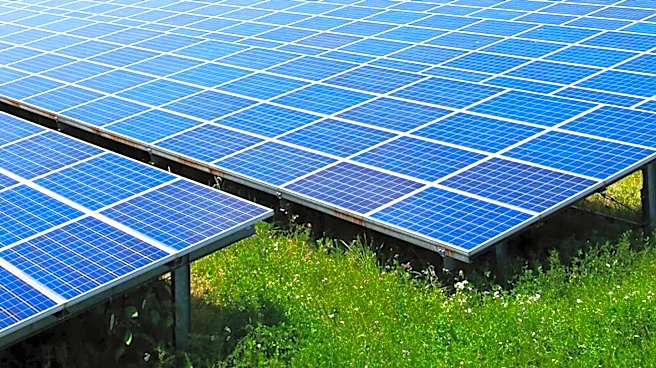
began on September 1st, was strategically timed to avoid disrupting bird nesting season. The solar photovoltaic (PV) system converts sunlight into electricity, aiming to reduce reliance on conventional energy sources and promote sustainable operations. Conservancy Director of Capital Planning Carlos Rodarte noted that the fencing around the solar field is raised eight inches to allow wildlife, such as foxes and squirrels, to pass through easily. A camera system will also monitor the area to ensure animal safety. The platform for the solar panels is elevated to minimize disturbance to the native landscape. This initiative, six years in the making, was spurred by a tourist with an interest in clean energy and received a grant from Edison International.
Why It's Important?
This solar power installation is a significant step towards reducing Catalina Island's environmental footprint and promoting renewable energy in a challenging remote location. The project is expected to cut energy costs by at least $40,000 annually, demonstrating the economic benefits of transitioning to sustainable energy sources. Beyond cost savings, the initiative aligns with the Conservancy's mission to protect and restore Catalina Island, setting an example for environmental stewardship. The project's design, which includes measures to protect native species and their habitats, highlights a commitment to ecological preservation alongside energy innovation. The successful implementation of such a large-scale solar array in a remote, logistically complex environment like Catalina Island provides a valuable case study for other similar regions in the U.S. looking to adopt renewable energy solutions.
What's Next?
Upon completion, the 170-kilowatt solar system will significantly reduce the Conservancy's reliance on diesel generators, leading to lower carbon emissions and improved air quality on Catalina Island. The Conservancy plans to utilize renewable energy tax credits, further enhancing the financial viability of the project. The success of this large-scale installation could pave the way for additional renewable energy projects on the island, potentially inspiring other organizations and communities to invest in similar sustainable solutions. The monitoring system for wildlife protection will provide valuable data on the coexistence of renewable energy infrastructure and local ecosystems. The project's long-term performance and environmental impact will be closely observed, offering insights for future conservation and energy initiatives.
Beyond the Headlines
The Catalina Island Conservancy's solar project underscores the broader national push towards energy independence and environmental sustainability, even in geographically isolated areas. The challenges faced during installation, such as extreme weather and logistical difficulties in transporting materials, highlight the ingenuity and dedication required for such endeavors. This project serves as a powerful symbol of how conservation organizations can lead by example in adopting green technologies. It also brings attention to the often-overlooked environmental impact of remote communities and the potential for renewable energy to transform their energy landscape. The initiative reflects a growing public and institutional awareness of climate change and the urgent need for actionable solutions, demonstrating that even small islands can make a substantial contribution to global sustainability efforts.