
What's Happening?
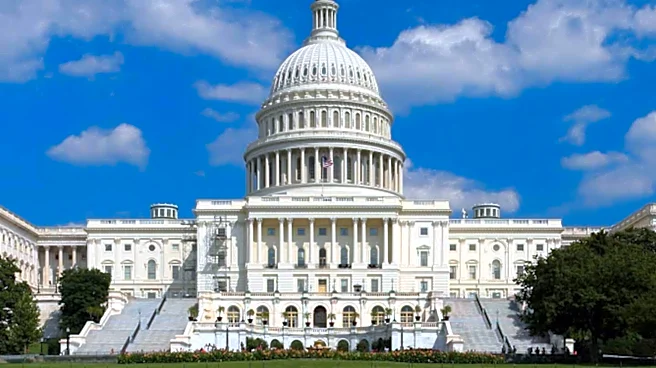
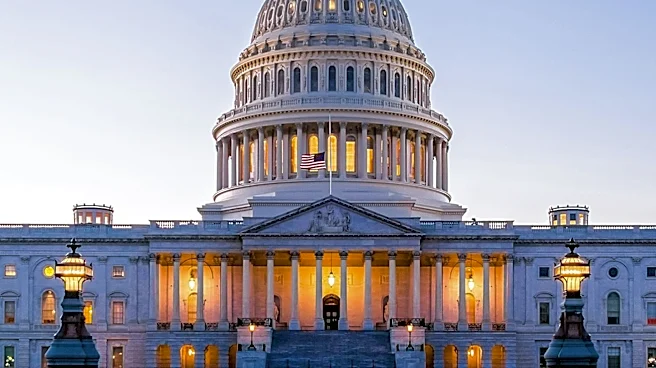
The House Energy and Commerce Committee is scheduled to mark up ten bills, among which is legislation aimed at reforming federal restrictions on nuclear power. Energy Subcommittee Chairman Bob Latta (R-Oh.)
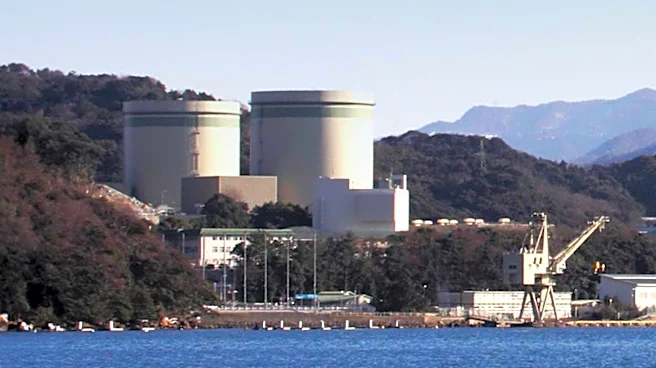
has previously emphasized the importance of regulatory reform for maintaining momentum in U.S. nuclear deployment and meeting the nation's increasing energy demand. One key piece of legislation, H.R. 3978, the Nuclear REFUEL Act, co-sponsored by Reps. Latta and Scott Peters (D-Calif.), proposes to license spent-fuel reprocessing and recycling facilities under a simplified one-step framework. Currently, these facilities are classified as 'production facilities,' subjecting them to a lengthy two-step review process. Another bill, H.R. 5549, the Efficient Nuclear Licensing Hearings Act, sponsored by Reps. Morgan Griffith (R-Va.), Kim Schrier (D-Wash.), and Marc Veasey (D-Tex.), seeks to eliminate the Nuclear Regulatory Commission’s uncontested hearing requirement, which is seen as a needless expenditure of time and resources given the existing public input opportunities.
Why It's Important?
The proposed nuclear power reforms are significant for the U.S. energy sector and consumers. Streamlining the licensing process for spent-fuel reprocessing and recycling facilities, as well as eliminating uncontested hearing requirements, could lead to lower costs for consumers and accelerate the deployment of nuclear energy. A robust and growing American nuclear industry is crucial for addressing the nation's rapidly increasing energy demands and enhancing energy independence. The current regulatory framework, with its 'needlessly long two-step review' for certain facilities and mandatory uncontested hearings, is perceived as a barrier to efficiency and cost-effectiveness. By reducing regulatory burdens while balancing safety, these legislative efforts aim to make nuclear power a more viable and competitive energy source, contributing to a more diverse and reliable energy grid for the United States.
What's Next?
The House Energy and Commerce Committee will proceed with the markup of the ten bills, including the nuclear power reform legislation. Following the markup, if approved, these bills will advance through the legislative process, potentially moving to a full House vote and then to the Senate for consideration. The Taxpayers Protection Alliance (TPA) has urged the Committee to embrace nuclear reform as part of an 'all-of-the-above energy agenda,' indicating continued advocacy for these changes. Stakeholders, including energy companies, environmental groups, and consumer advocates, will likely monitor the progress of these bills closely, with potential for further debate and amendments as they move through Congress. The ultimate goal is to implement a more efficient and cost-effective regulatory environment for the U.S. nuclear industry.
Beyond the Headlines
Beyond the immediate legislative actions, these reforms could signal a broader shift in U.S. energy policy towards a greater reliance on nuclear power as a clean and consistent energy source. The emphasis on streamlining processes reflects a growing recognition of the need to balance environmental goals with economic efficiency and energy security. The debate over nuclear waste reprocessing and storage, which H.R. 3978 addresses, has long been a complex issue, and a simplified licensing framework could have long-term implications for waste management strategies and the public perception of nuclear energy. Furthermore, reducing regulatory hurdles could stimulate innovation and investment in advanced nuclear technologies, potentially positioning the U.S. as a leader in the global nuclear energy market and reducing dependence on fossil fuels.