
What's Happening?
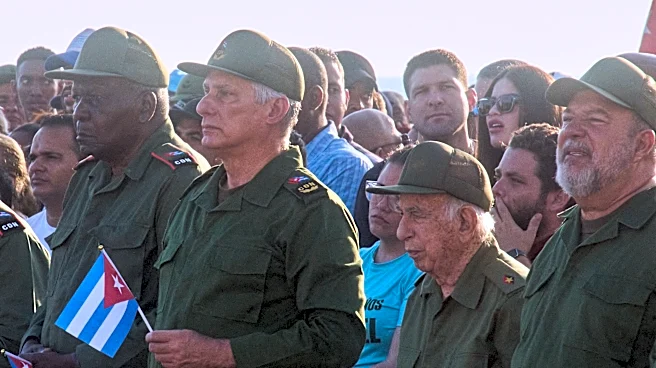
The US has imposed new sanctions on top Cuban leaders and their families, targeting Cuban leader Miguel Díaz-Canel and others. The sanctions are part of the Trump administration's strategy to pressure
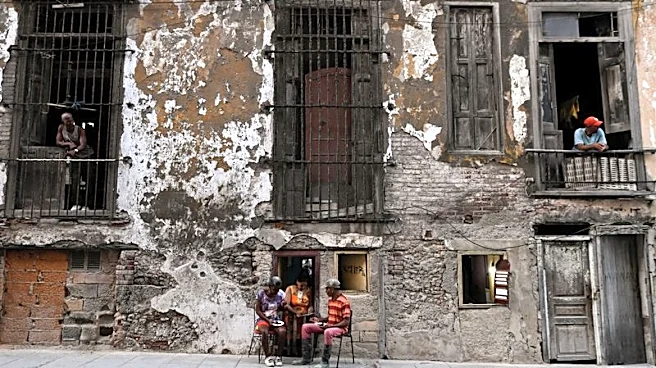
Cuba into negotiations. The measures come as Cuba faces economic challenges, including power outages and shortages of basic goods. Analysts suggest the sanctions reflect frustration in Washington over failed diplomatic efforts. Cuban officials condemned the sanctions, describing them as harmful to the Cuban people and worsening tensions between the two nations.
Why It's Important?
The sanctions highlight ongoing US-Cuba tensions and the challenges in achieving diplomatic breakthroughs. The economic impact on Cuba could exacerbate existing hardships for its population, potentially leading to increased migration pressures on the US. The sanctions also reflect the US's broader foreign policy strategy in the region, with implications for its relationships with other Latin American countries. The effectiveness of the sanctions in achieving their intended goals remains uncertain, with potential for further escalation if negotiations do not progress.
What's Next?
The US may continue to apply economic and diplomatic pressure on Cuba, with potential for additional sanctions or policy measures. The Cuban government's response will be critical in determining the future of US-Cuba relations. International stakeholders may seek to mediate tensions and support efforts to address the humanitarian impact of the sanctions. The situation will be closely monitored by policymakers and analysts, with potential implications for regional stability and US foreign policy.