





What's Happening?
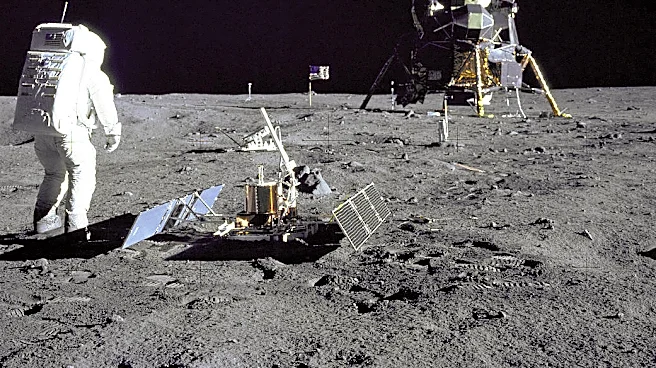
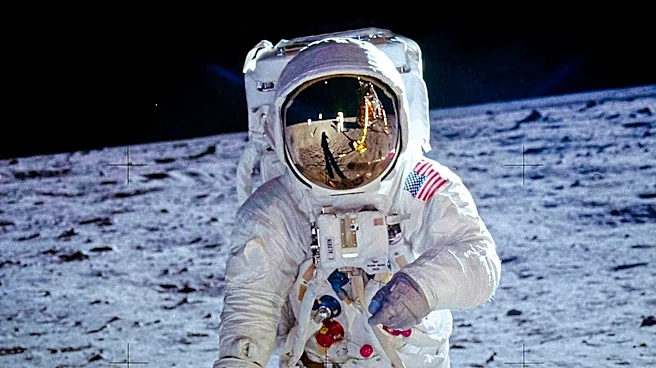
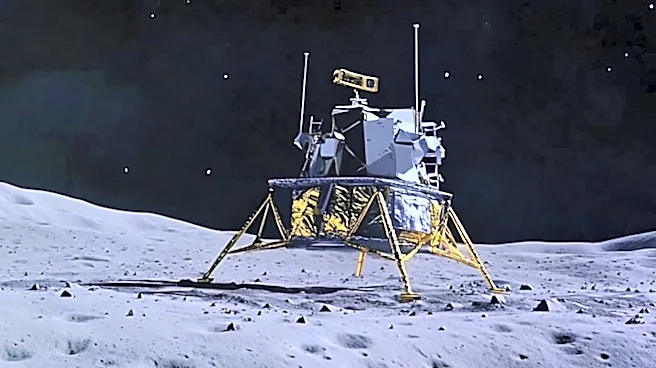
On July 20, 2026, the Moon will present the same phase as it did on the historic day of the Apollo 11 landing in 1969. This occurrence is part of a Metonic cycle, a period of 19 years after which the phases of the Moon repeat on the same calendar date.
The cycle, known since ancient times, aligns the lunar phase on this date with that of the first Moon landing, allowing observers to experience a celestial echo of that momentous event. The Metonic cycle is significant in astronomy for its ability to predict lunar phases, although it does not perfectly align other orbital features such as eclipses. This year marks three complete Metonic cycles, or 57 years, since Neil Armstrong's famous first step on the lunar surface.
Why It's Important?
The alignment of the lunar phase with the Apollo 11 landing date offers a unique opportunity for reflection on human achievements in space exploration. It underscores the precision of astronomical cycles and their historical significance. For the scientific community and space enthusiasts, this event serves as a reminder of the progress made since the Apollo missions and the ongoing interest in lunar exploration. It also highlights the enduring fascination with the Moon and its phases, which have been observed and recorded for centuries. This celestial event may inspire renewed interest in lunar studies and public engagement with astronomy.
What's Next?
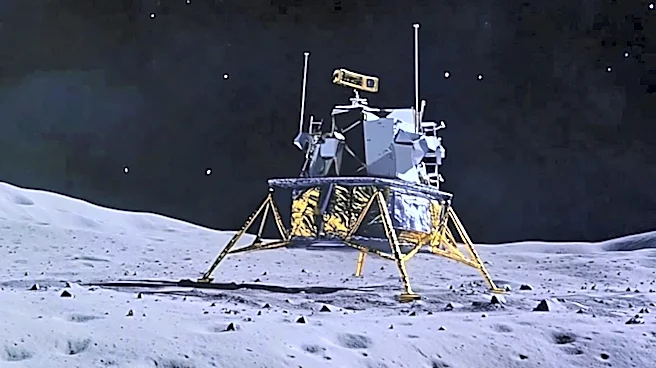
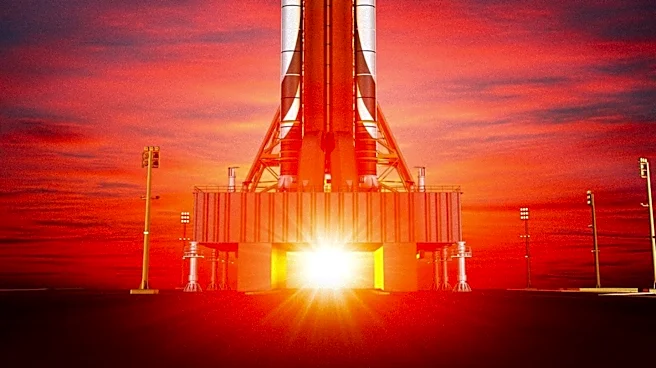
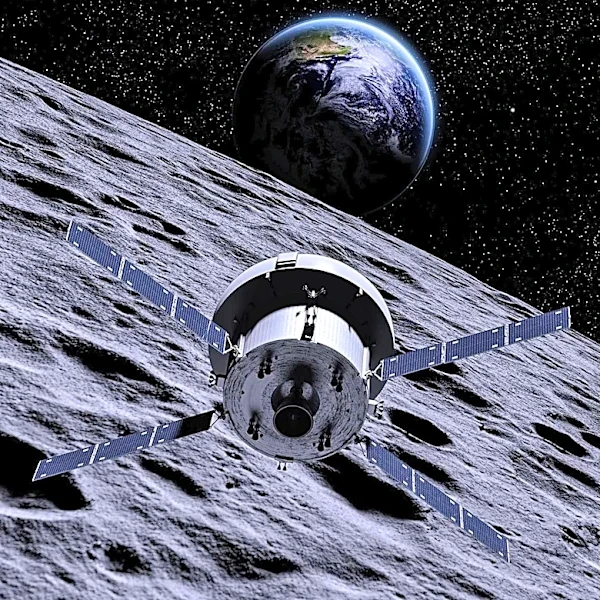
While the Metonic cycle will continue to bring similar alignments every 19 years, the next significant milestone in lunar exploration is the anticipated return of humans to the Moon. NASA's Artemis program aims to land the next man and the first woman on the lunar surface by the mid-2020s, potentially reigniting public interest in lunar exploration. As technology advances, future missions may provide new insights into the Moon's composition and history, further enriching our understanding of Earth's closest celestial neighbor.
Beyond the Headlines
The recurrence of the lunar phase on the Apollo 11 anniversary also invites reflection on the cultural and historical impact of the Moon landing. It serves as a symbol of human ingenuity and the spirit of exploration. The event may also prompt discussions on the future of space exploration, including ethical considerations and international cooperation in space endeavors. As private companies and other nations pursue their own lunar missions, the legacy of Apollo 11 continues to influence the direction of space policy and exploration strategies.