








What's Happening?
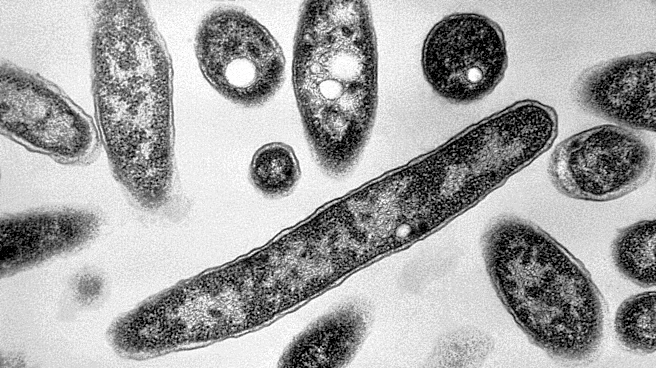
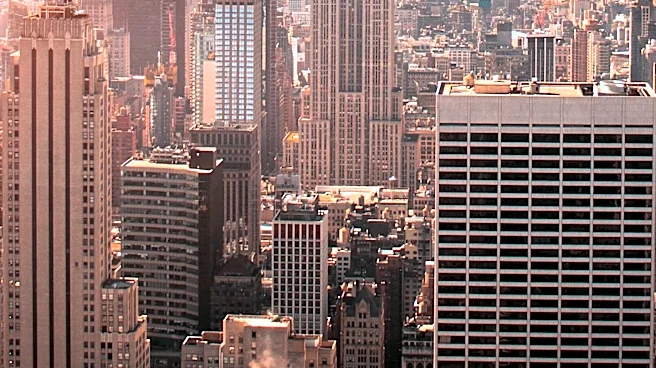
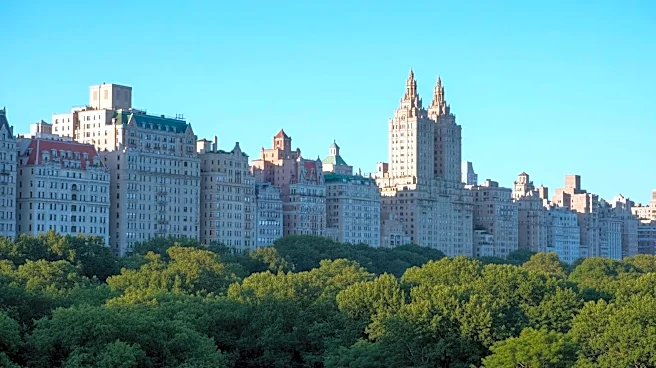
A Legionnaires' disease outbreak is ongoing in Manhattan's Upper East Side, specifically in the neighborhoods of Carnegie Hill and Yorkville. The outbreak has resulted in 28 cases and 21 hospitalizations as of July 7, with no fatalities reported. The New
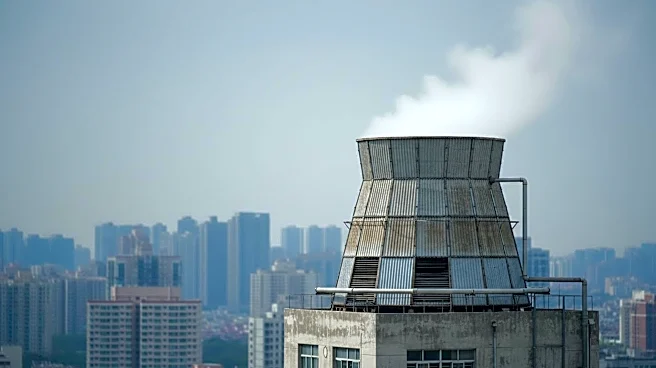
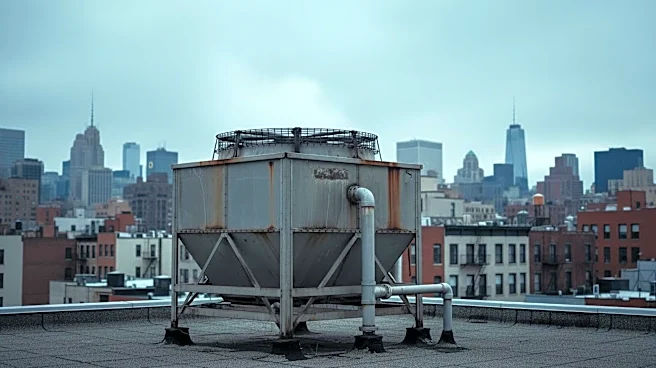
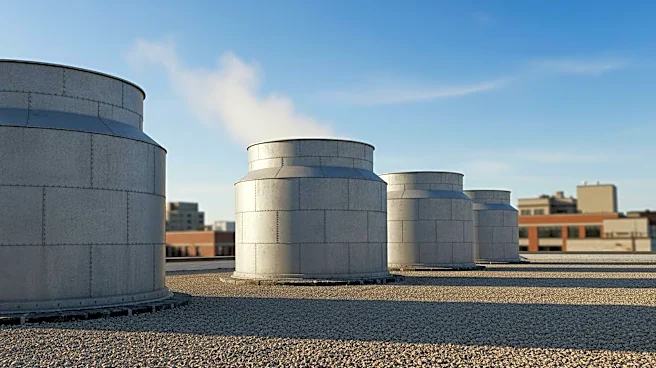
York City Health Department is investigating the source, which is believed to be a contaminated cooling tower rather than a water system. The affected ZIP codes include 10028, 10128, and 10075. City Comptroller Mark Levine noted that identifying the exact location of the contaminated towers could take up to two weeks due to the time required to grow legionella samples in the lab. Residents and visitors in the affected areas are urged to seek medical attention if they exhibit flu-like symptoms.
Why It's Important?
The outbreak highlights the public health risks associated with Legionnaires' disease, which is contracted by inhaling water vapor containing the bacteria. The situation underscores the importance of regular maintenance and monitoring of cooling towers to prevent such outbreaks. The health department's response and the public's awareness are crucial in containing the spread and preventing further cases. The outbreak also raises concerns about infrastructure and public health preparedness in densely populated urban areas like Manhattan.
What's Next?
The health department will continue its investigation to pinpoint the source of the outbreak. Once identified, measures will be taken to decontaminate the affected cooling towers. Public health officials will likely increase monitoring and maintenance requirements for cooling towers to prevent future outbreaks. Residents and businesses in the area may face temporary disruptions as authorities work to address the issue. Ongoing communication from health officials will be essential to keep the public informed and mitigate the outbreak's impact.