







What's Happening?
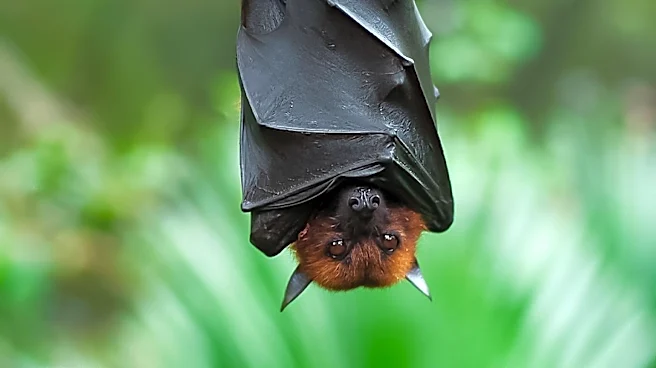
Visitors to the San Diego Zoo Safari Park are being urged to come forward if they had contact with a wild bat that tested positive for rabies. The bat was discovered deceased outside the Oasis on the Rocks restaurant on July 11 and was confirmed to have
rabies by the County Public Health Laboratory. This incident marks the 19th rabies-positive bat in San Diego County this year. County health officials are asking anyone who may have had direct contact with the bat to seek evaluation. The bat was not part of the park's animal collection, and no human contact has been reported so far. Rabies is a highly serious viral disease with a nearly 100% fatality rate if not treated early.
Why It's Important?
The discovery of a rabies-positive bat near a popular public venue like the San Diego Zoo Safari Park highlights the ongoing public health challenge posed by rabies. Bats are one of the primary carriers of rabies in the United States, and this incident underscores the importance of public awareness and caution. Rabies is almost always fatal once symptoms appear, making early detection and treatment crucial. The situation serves as a reminder of the need for vigilance in areas where wildlife and humans interact closely. It also emphasizes the role of public health officials in managing potential outbreaks and ensuring public safety.
What's Next?
Health officials will continue to monitor the situation and encourage anyone who may have had contact with the bat to come forward. The park and local authorities are likely to increase public awareness campaigns to educate visitors about the risks of rabies and the importance of not handling wild animals. Further testing of local bat populations may be conducted to assess the spread of rabies in the area. The incident may also prompt a review of safety protocols at the park to prevent future occurrences.
Beyond the Headlines
This event highlights the delicate balance between wildlife conservation and public safety. Bats play a crucial ecological role, controlling insect populations, yet they also pose a health risk due to their potential to carry rabies. The incident may lead to discussions on how to better manage wildlife in urban and recreational areas to minimize health risks while preserving biodiversity. It also raises questions about the adequacy of current public health measures in detecting and responding to rabies cases.