



What's Happening?
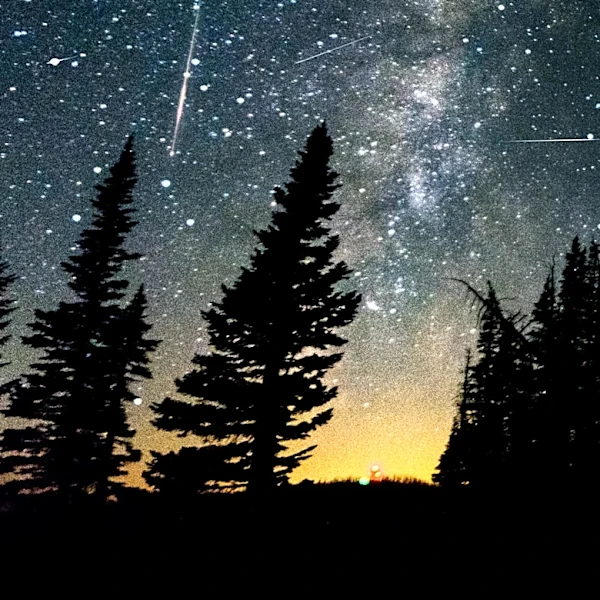
A 2016 study revealed that light pollution prevents one-third of humanity from seeing the Milky Way. This statistic, derived from the New World Atlas of Artificial Night Sky Brightness, remains the most comprehensive estimate of its kind. The atlas used
satellite data and ground measurements to map skyglow, which obscures the Milky Way for many people. Despite newer studies indicating changes in artificial light at night, no updated global headcount has replaced the 2016 figure. The atlas highlighted that over 80% of the global population lives under light-polluted skies, with nearly all of the U.S. and Europe affected.
Why It's Important?
The persistence of light pollution has significant implications for environmental and cultural heritage. It affects astronomical research, disrupts ecosystems, and diminishes human connection to the night sky. The inability to see the Milky Way symbolizes broader environmental challenges, as artificial light continues to increase globally. Addressing light pollution requires coordinated efforts in urban planning and public policy to reduce unnecessary lighting. This issue also highlights the need for updated research to better understand and mitigate the impacts of light pollution on both local and global scales.
Beyond the Headlines
The ongoing challenge of light pollution underscores the importance of sustainable development practices. Efforts to reduce light pollution can lead to energy savings and improved public health by minimizing disruptions to natural circadian rhythms. Additionally, preserving dark skies can enhance tourism and educational opportunities, fostering a greater appreciation for natural wonders. The situation calls for innovative solutions and public awareness campaigns to balance technological advancement with environmental stewardship.