

What's Happening?
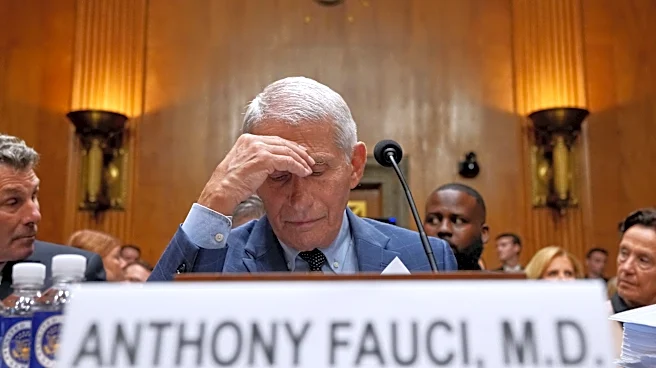
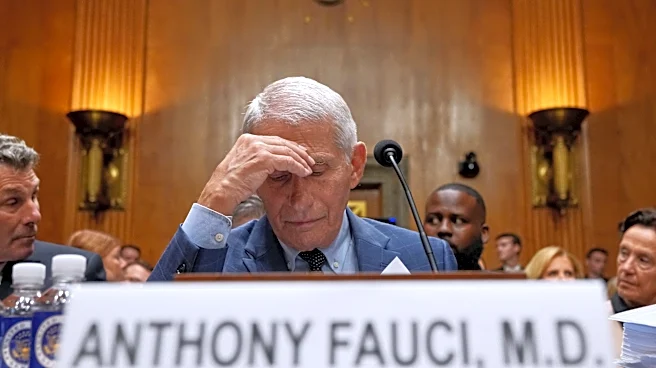
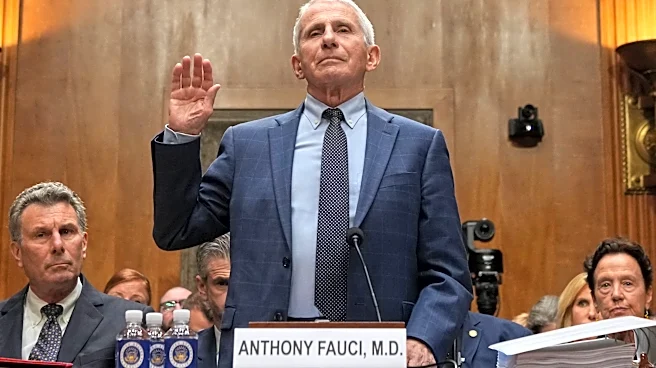
A Senate committee, chaired by Republican Senator Rand Paul of Kentucky, has voted to hold Dr. Anthony Fauci in contempt of Congress. This decision follows Fauci's refusal to answer questions during a hearing investigating the origins of COVID-19. Fauci,
the former director of the National Institute of Allergy and Infectious Diseases, invoked his Fifth Amendment right against self-incrimination over 100 times during the session. He accused Senator Paul of having an 'unhinged obsession' with him. Paul argued that Fauci's previous pardon from former President Joe Biden nullified his Fifth Amendment rights, claiming Fauci had waived any remaining privilege by providing an opening statement. The committee's vote was 8-7, with all Democrats opposing the contempt resolution. Paul plans to send the contempt referral directly to the Justice Department, bypassing the full Senate, where it would require bipartisan support to pass.
Why It's Important?
The decision to hold Dr. Fauci in contempt highlights ongoing tensions and political divisions over the handling of the COVID-19 pandemic and its origins. This development could have significant implications for congressional oversight and the balance of power between legislative and executive branches. The move by Senator Paul underscores a broader Republican effort to scrutinize the pandemic response and the role of key figures like Fauci. If the Justice Department decides to prosecute, it could set a precedent for how congressional subpoenas are enforced, potentially impacting future investigations. The situation also reflects the polarized nature of U.S. politics, where public health issues are deeply intertwined with political agendas.
What's Next?
The next steps involve the Justice Department's decision on whether to prosecute Fauci for contempt of Congress. This decision will be closely watched as it could influence future congressional investigations and the enforcement of subpoenas. Additionally, the ongoing feud between Senator Paul and Dr. Fauci may continue to play out in public forums, potentially affecting public perception of the pandemic response. Legal experts may weigh in on the validity of Fauci's Fifth Amendment claims, especially in light of his pardon. The outcome could also impact Fauci's legacy and the broader narrative around the U.S. government's handling of the COVID-19 pandemic.