





What's Happening?
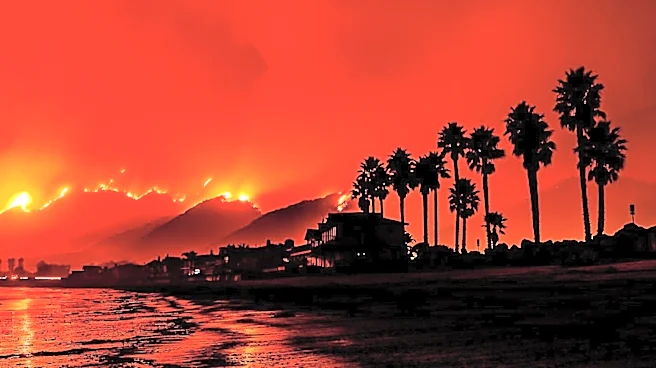
A new study has revealed that metal mixtures from the smoke, ash, and debris of the 2023 Maui wildfires have caused significant harm to the lung health of nearby residents, even long after the fires were extinguished. Researchers from the University of Hawaii
analyzed urine samples from 1,400 adults and found substantially elevated concentrations of metals such as antimony, manganese, barium, and arsenic. Specifically, antimony levels were nearly 40 times higher than U.S. biomonitoring data, manganese 3.8 times higher, barium 2.3 times higher, and arsenic 2.2 times higher. These elevated metal levels were directly correlated with abnormal lung function, including reduced breathing capacity and difficulty moving air in and out of the lungs. The study suggests that the burning of buildings, vehicles, and electronics released these harmful chemicals, leading to a more complex and dangerous exposure than typical vegetation fires. The findings highlight the lasting health consequences of major wildfires, which are becoming more frequent and intense due to a warming climate.
Why It's Important?
This research underscores the long-term public health crisis that can follow large-scale environmental disasters like wildfires, particularly in the U.S. The presence of elevated metal levels and their direct link to respiratory issues in Maui residents indicates that the health impacts extend far beyond immediate exposure and can persist for years. This has significant implications for disaster response and recovery efforts, suggesting a need for prolonged air quality monitoring and comprehensive strategies to address contaminated soot, residue, and dirt. The study also points to the broader societal cost of climate change, as more frequent and severe wildfires could lead to widespread chronic health problems in affected communities. Understanding these long-term effects is crucial for developing more resilient communities and healthcare systems capable of managing the health burdens of such events, which are expected to increase.
What's Next?
The study's findings suggest that post-wildfire air quality needs to be monitored for a longer duration than currently practiced. Recovery efforts must also consider the potential for lingering contaminants in the environment, which could lead to continued exposure. Public health officials and environmental agencies will likely face pressure to develop new guidelines for assessing and mitigating these long-term risks. Further research may be needed to identify the exact sources of these metal contaminants and to determine the most effective methods for remediation. Additionally, the study's authors emphasize that disaster response should not cease once the immediate danger has passed, advocating for sustained support and monitoring to address the evolving health needs of affected populations. This could lead to policy changes regarding environmental cleanup and healthcare provision in disaster-stricken areas.
Beyond the Headlines
The Maui wildfire study reveals a deeper, less obvious implication: the complex interplay between environmental disasters, industrial materials, and human health. The presence of metals from burned infrastructure, rather than just vegetation, introduces a new dimension to understanding wildfire health impacts. This highlights a critical ethical consideration regarding urban development in fire-prone areas and the materials used in construction. The long-term health consequences, including potential increases in chronic diseases, could disproportionately affect vulnerable populations, raising questions about environmental justice. This event could trigger a shift in how policymakers and urban planners approach disaster preparedness, emphasizing not only immediate evacuation and firefighting but also the long-term environmental and health consequences of burning modern materials. It also underscores the need for interdisciplinary approaches, combining environmental science, public health, and urban planning, to address the multifaceted challenges posed by climate-driven disasters.