






What's Happening?
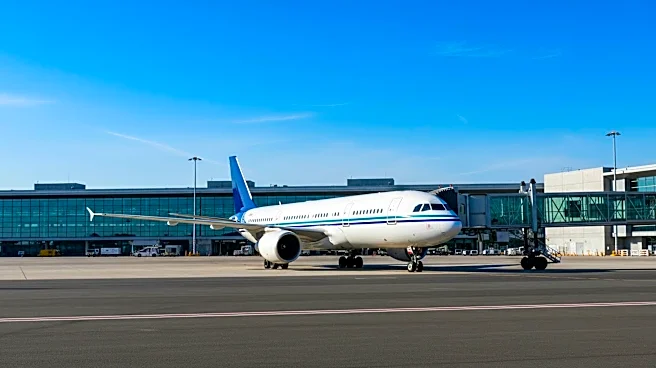
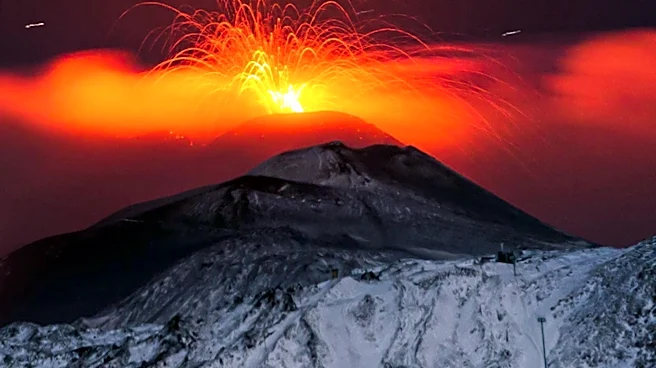
Mount Etna in Sicily erupted, causing significant disruptions at Catania Airport due to volcanic ash. The eruption led to the closure of the airport, which serves a large number of British holidaymakers, until at least Tuesday morning. Italy's national
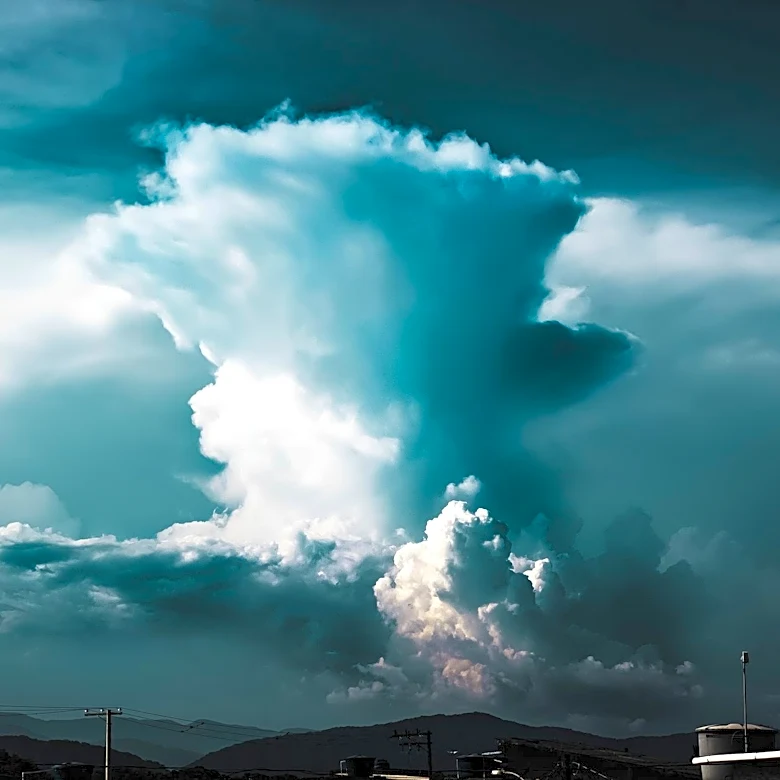
airline, ITA Airways, announced that all flights departing from and arriving at Catania Airport would either be cancelled or rescheduled. The National Institute of Geophysics and Volcanology in Italy raised the aviation alert level to red, indicating intense volcanic activity. The eruption began on Sunday morning, with ash plumes rising about a mile above the crater, and continued to intensify throughout the day.
Why It's Important?
The closure of Catania Airport due to Mount Etna's eruption has significant implications for air travel and tourism in the region. The airport is a crucial hub for travelers, particularly during the summer holiday season. The disruption affects not only passengers but also the airline industry, which must manage cancellations and rescheduling. The raised aviation alert level underscores the potential hazards of volcanic ash to aircraft, which can damage engines and reduce visibility. This event highlights the vulnerability of air travel to natural disasters and the need for effective crisis management strategies.
What's Next?
As the situation develops, passengers are advised to stay informed by checking with their airlines for updates on flight statuses. The airport's reopening will depend on the volcanic activity and the safety assessments conducted by authorities. Airlines will need to coordinate closely with airport officials to manage the backlog of flights and ensure passenger safety. The ongoing monitoring of Mount Etna's activity will be crucial in determining the timeline for resuming normal operations at Catania Airport.