






What's Happening?
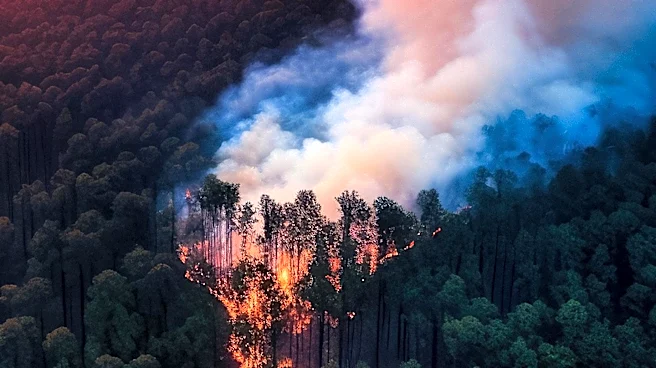
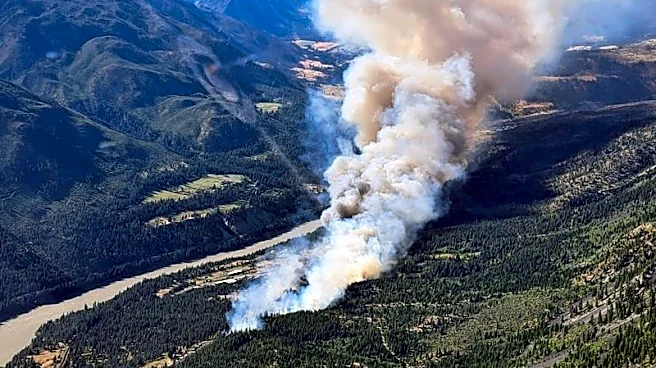
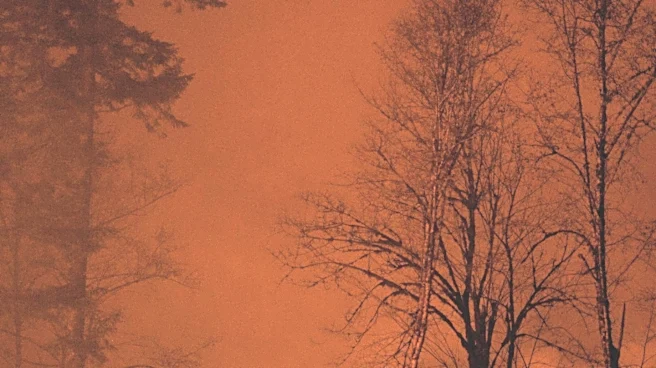
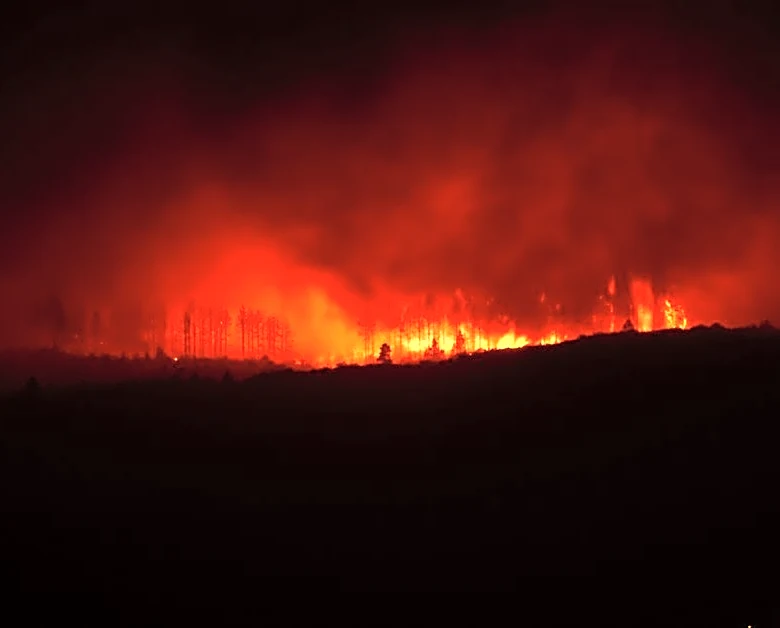
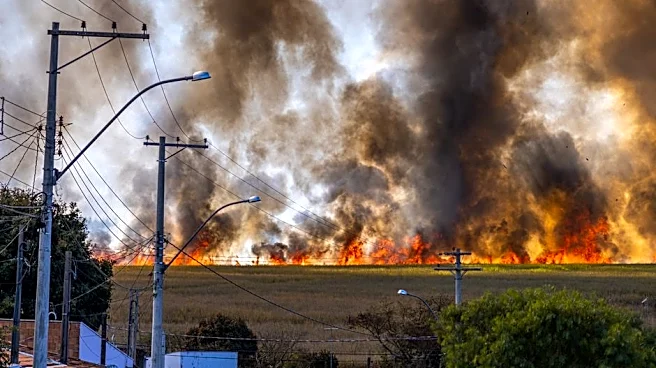
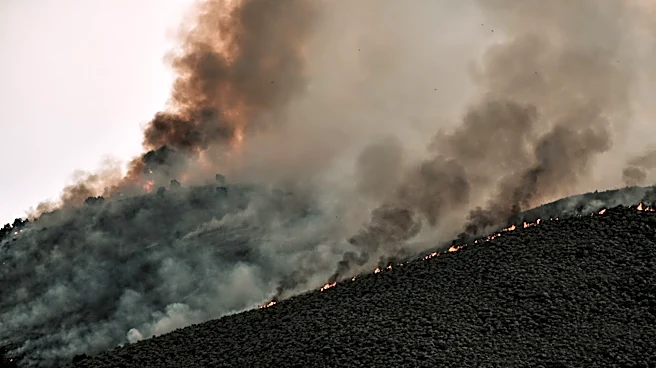
Smoke from Canadian wildfires has spread across the US Midwest, mid-Atlantic, and Northeast, affecting air quality for millions of Americans. Cities like Chicago and Detroit have experienced hazardous air quality levels, prompting warnings for residents
to stay indoors. The smoke originates from approximately 200 out-of-control wildfires in Canada, with significant impacts on air quality in major US cities. President Trump has criticized Canada for its forest management, threatening additional tariffs. The situation has raised concerns about the health impacts of prolonged exposure to wildfire smoke and the need for cross-border cooperation in addressing environmental challenges.
Why It's Important?
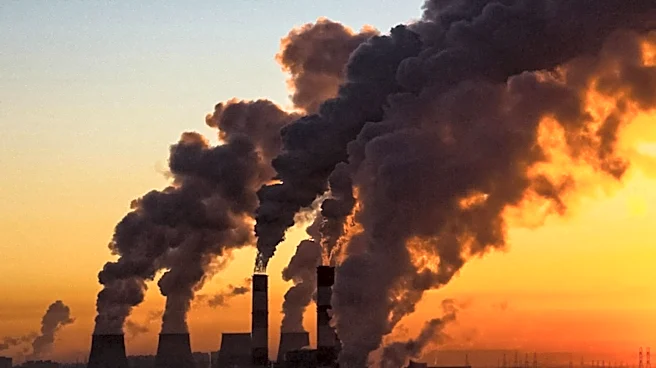
The widespread smoke from Canadian wildfires highlights the interconnected nature of environmental issues and their cross-border impacts. Poor air quality poses significant health risks, particularly for vulnerable populations, and can exacerbate respiratory conditions. The situation underscores the importance of international collaboration in managing natural resources and addressing climate change. The economic implications of potential tariffs and the strain on public health systems further emphasize the need for comprehensive environmental policies.
What's Next?
As the wildfires continue, air quality is expected to fluctuate, with potential improvements depending on weather patterns and firefighting efforts. Authorities may implement additional public health advisories and measures to protect residents. The situation could prompt discussions between the US and Canada on forest management practices and climate change mitigation strategies. Long-term, the event may influence policy decisions related to environmental protection and cross-border cooperation.