





What's Happening?
Recent research indicates that red light therapy, specifically photobiomodulation (PBM), can serve as an effective complementary treatment for Trigeminal Neuralgia (TN), a condition characterized by severe facial pain. A 2026 meta-analysis of nine randomized
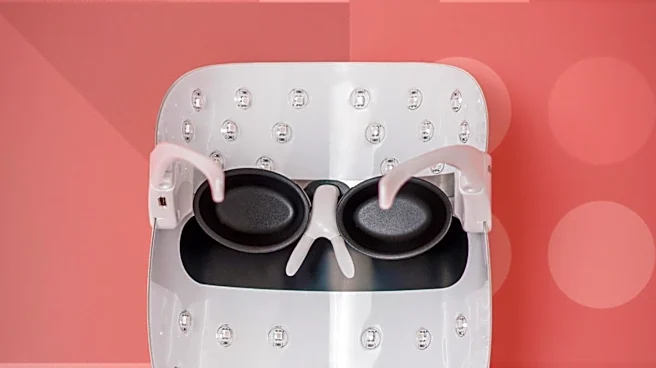
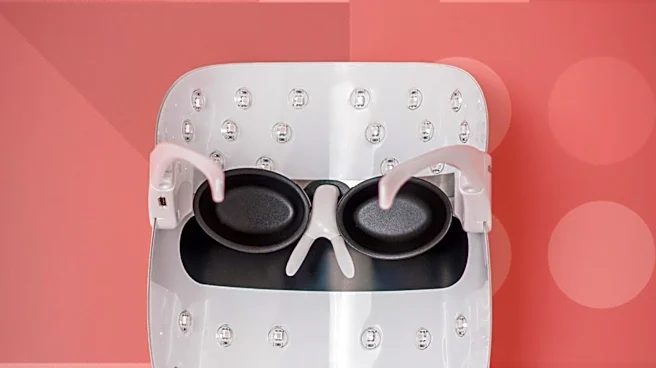
controlled trials involving 387 patients found that PBM groups experienced approximately 2.17 points lower pain scores on a 10-point scale compared to medication alone. Additionally, a 2025 randomized controlled trial demonstrated that patients receiving PBM alongside carbamazepine had significantly lower pain scores (0.40 vs. 3.45) at three weeks, with no PBM patients requiring increased medication dosage. The World Association for Photobiomodulation Therapy, under the HANNA Framework, published standardized PBM parameters for idiopathic TN in 2026, based on high-quality evidence. PBM works by delivering red and near-infrared light to tissue, which is absorbed by cytochrome c oxidase, triggering cellular repair and recovery processes. This mechanism helps modulate nerve conduction, reduce neuroinflammation, inhibit COX-2, and support mitochondrial ATP production, all of which are relevant to alleviating TN pain.
Why It's Important?
The findings are significant for individuals in the U.S. suffering from Trigeminal Neuralgia, a condition known for its debilitating pain and often challenging management. The integration of red light therapy as a complementary approach could offer a new avenue for pain relief, potentially reducing reliance on or enhancing the efficacy of traditional medications like carbamazepine, which can have significant side effects. This development could improve the quality of life for many patients, particularly those with idiopathic TN or nerve-irritation-driven TN, where PBM's mechanisms are most directly applicable. While PBM is not a standalone cure, its proven ability to reduce pain scores and neuroinflammation could lead to better patient outcomes and potentially fewer medication-related complications. The establishment of standardized parameters by the HANNA Framework also provides a clearer path for clinical application and further research, fostering greater confidence in the therapy's use within the U.S. healthcare system.
What's Next?
The continued validation of red light therapy for Trigeminal Neuralgia suggests a future where it could be more widely adopted in clinical settings across the U.S. Patients are advised to consult their neurologists or general practitioners before incorporating PBM into their treatment plans and should not discontinue prescribed medications without medical guidance. Future steps will likely involve larger-scale clinical trials to further refine optimal protocols and explore its efficacy across different types of TN, including those with vascular compression or associated with multiple sclerosis, where its benefits may be more limited. The availability of standardized parameters from the HANNA Framework will aid healthcare providers in implementing PBM more consistently. Manufacturers like StreamShop are already offering devices designed for TN applications, indicating a growing market for specialized red light therapy products. This could lead to increased accessibility and integration into pain management clinics and rehabilitation centers.
Beyond the Headlines
The emergence of red light therapy as a credible complementary treatment for Trigeminal Neuralgia highlights a broader shift in healthcare towards integrating non-pharmacological and less invasive therapies. This trend reflects a growing patient demand for alternative options that can mitigate the side effects of conventional treatments and improve overall well-being. The scientific backing for PBM, particularly its mechanisms in modulating nerve activity and reducing inflammation, underscores the potential of light-based therapies in addressing complex neurological conditions. This development could also influence insurance coverage policies in the U.S., as more evidence-based complementary therapies gain recognition. Furthermore, it encourages a more holistic approach to pain management, where various modalities are combined to achieve optimal patient outcomes, moving beyond a sole reliance on medication or surgery. The ethical implications of ensuring equitable access to such technologies and preventing unsubstantiated claims will also be crucial as the field evolves.