




What's Happening?
Lebanon is experiencing a significant increase in cancer rates, with new cases and deaths rising by 162% and 80% respectively from 1990 to 2023, according to a study published in The Lancet. The country's healthcare system has been severely impacted by an economic
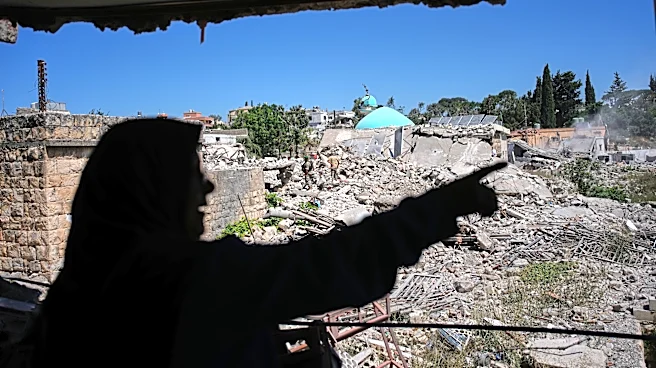
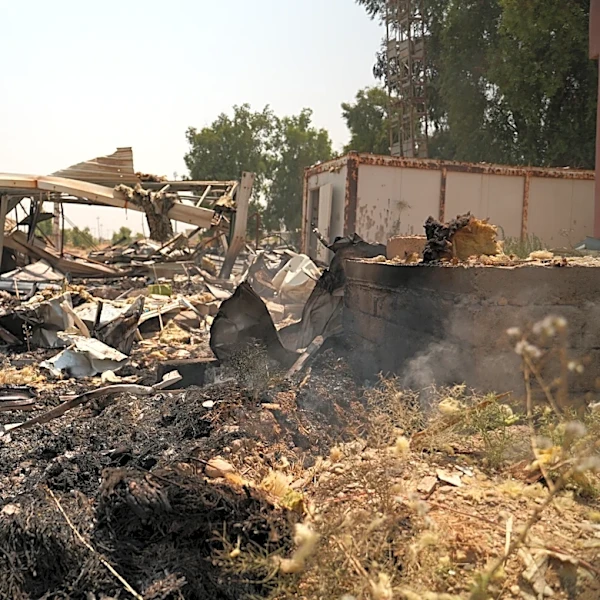
collapse since 2019, leading to a shortage of medical professionals and high costs of medicines. Additionally, Israeli bombing campaigns have exacerbated the situation by causing cancer patients to flee and miss critical treatments. Smoking, pollution, and chemical dumping are identified as the top causes of cancer in Lebanon.
Why It's Important?
The rising cancer rates in Lebanon highlight the severe impact of economic instability and conflict on public health. The healthcare system's inability to provide affordable and accessible treatment poses a significant threat to the population's well-being. The situation underscores the need for international support and intervention to stabilize Lebanon's economy and healthcare infrastructure. The ongoing conflict with Israel further complicates efforts to address these challenges, as it disrupts medical services and exacerbates health risks.
What's Next?
Peace talks between Israel and Lebanon are set to resume in Rome, focusing on implementing a trilateral framework agreement, resolving border disputes, and expanding pilot zones in southern Lebanon. These talks aim to restore Lebanese state authority through the disarmament of terrorist organizations and build trust for future steps. Successful negotiations could lead to improved stability and healthcare access in Lebanon.