






What's Happening?
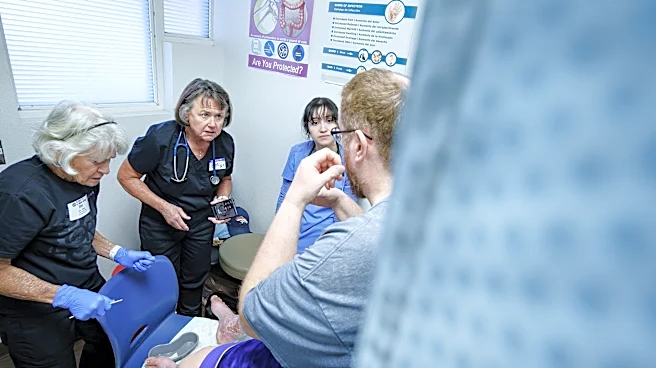
Mercy Hospital Joplin and Kansas City University (KCU) have established a partnership that utilizes student health advocates to improve patient outcomes, particularly for those with chronic illnesses. This initiative involves KCU students working directly
with patients to address non-medical barriers to health, such as transportation issues, medication costs, and limited access to resources. The student advocates help patients understand discharge instructions, confirm follow-up appointments, and connect them with Mercy's clinical teams and resource centers. This program has shown measurable results, including more consistent follow-up appointment attendance, increased access to available resources, and greater patient engagement in managing their health. It has also contributed to reducing hospital readmissions among patients with congestive heart failure. The program, which began with five students, has expanded to over a dozen advocates, with plans to extend its reach to patients with chronic obstructive pulmonary disease.
Why It's Important?
This partnership highlights an innovative approach to healthcare delivery that addresses the social determinants of health, which are crucial for improving patient outcomes and reducing healthcare costs in the U.S. By focusing on the challenges patients face outside of the hospital, such as socioeconomic factors and access to resources, the program helps prevent readmissions and promotes long-term health management. This model could serve as a blueprint for other healthcare systems and educational institutions looking to enhance patient care and provide practical, real-world experience for future healthcare professionals. The reduction in hospital readmissions, particularly for conditions like congestive heart failure, has significant economic implications, as readmissions are a major cost driver in the U.S. healthcare system. Furthermore, the program offers valuable training for students, exposing them to the complexities of patient care beyond medical diagnoses and fostering a deeper understanding of community health needs.
What's Next?
The Mercy Hospital Joplin and KCU partnership plans to expand its student health advocate program to include patients with chronic obstructive pulmonary disease, indicating a continued commitment to addressing chronic illness management. The success of the program suggests potential for further growth and replication in other medical specialties and geographic areas. As more students participate, the program will continue to provide meaningful exposure to Mercy physicians, clinicians, and healthcare leaders, potentially influencing career paths and encouraging more healthcare professionals to practice in the region. The ongoing collection of data on patient outcomes and readmission rates will be crucial for demonstrating the program's long-term effectiveness and advocating for similar initiatives across the U.S. healthcare landscape. Continued collaboration between academic institutions and healthcare providers is likely to be a key trend in addressing complex health challenges.
Beyond the Headlines
The initiative underscores a growing recognition within the U.S. healthcare system that effective patient care extends beyond clinical treatment to encompass a patient's living conditions and social support. This approach challenges the traditional medical model by integrating social work and community outreach directly into patient care, highlighting the ethical imperative to address health disparities. The program also offers a unique educational experience for KCU students, providing them with a holistic understanding of healthcare that includes the humanistic and societal aspects of illness. This early exposure to the broader determinants of health can shape a more empathetic and effective generation of healthcare providers. The success of this program could influence policy discussions around funding for community health initiatives and the integration of social services into standard medical practice, potentially leading to a more equitable and patient-centered healthcare system nationwide.