



What's Happening?
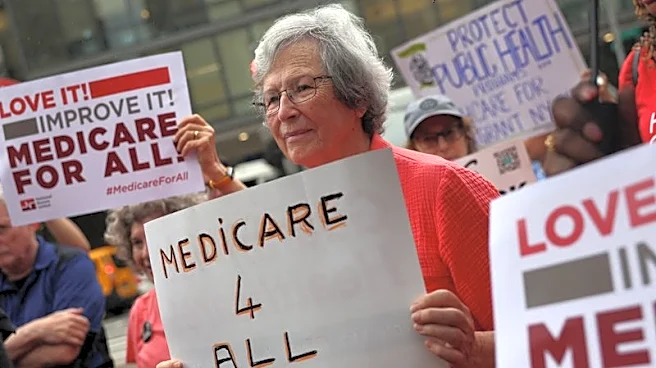
The Postal Service Reform Act of 2022 has introduced a significant change for most Medicare-eligible Postal Service annuitants retiring after January 1, 2025. These retirees are now required to enroll in Medicare Part B to maintain their Postal Service Health
Benefits (PSHB) plan, unless they meet specific exceptions. This mandate marks a departure from the previous Federal Employees Health Benefits (FEHB) program, which did not have such a requirement. The PSHB program, while a separate entity within FEHB, offers similar comprehensive benefits and is administered by the Office of Personnel Management (OPM). The new rule also extends to Medicare-eligible family members covered under a retiree's PSHB plan, meaning they too must enroll in Part B or risk losing their PSHB coverage. Exceptions to this requirement include individuals who retired on or before January 1, 2025, those aged 64 or older on January 1, 2025, individuals living outside the U.S. and its territories, and those eligible for certain VA health benefits or services from the Indian Health Service.
Why It's Important?
This legislative change has substantial implications for current and future Postal Service retirees and their families. The mandatory enrollment in Medicare Part B adds a new financial consideration, as Part B premiums are deducted from Social Security benefits and can be subject to Income-Related Monthly Adjustment Amounts (IRMAA) for higher-income individuals. Failure to enroll in Part B, without qualifying for an exception, will result in the loss of PSHB coverage, which could lead to significant out-of-pocket healthcare costs. The Act aims to integrate postal retiree healthcare more closely with Medicare, potentially shifting some healthcare costs from the Postal Service to Medicare. This could impact the financial stability of the Postal Service by reducing its healthcare liabilities, but it places a new burden on retirees to understand and navigate the complexities of both PSHB and Medicare Part B enrollment. The change also highlights a broader trend of aligning federal employee benefits with Medicare, which could serve as a precedent for other federal agencies in the future.
What's Next?
Postal Service employees approaching retirement, particularly those younger than 64 on January 1, 2025, must plan to enroll in Medicare Part B as part of their retirement transition, unless an exception applies. Retirees who enrolled in Part B during the 2024 PSRA Special Enrollment Period and have a late enrollment penalty (LEP) will have that penalty paid by USPS as long as their PSHB enrollment remains active or suspended. However, if PSHB enrollment is canceled for reasons other than moving to a family member's FEHB or PSHB plan, the retiree becomes responsible for the LEP. Retirees will need to carefully review their PSHB plan brochures and Medicare Premium Notices to understand their costs and ensure proper coordination of benefits. Before open season, individuals should assess whether they or their family members meet any exceptions to the Part B requirement and decide on the optimal strategy for their healthcare coverage, including considerations for prescription drug coverage through the PSHB plan's Medicare Part D Employer Group Waiver Plan (EGWP).
Beyond the Headlines
The Postal Service Reform Act of 2022's mandate for Medicare Part B enrollment for retirees reflects a strategic effort to address the long-standing financial challenges of the United States Postal Service. By integrating retiree health benefits with Medicare, the legislation aims to reduce the Postal Service's financial burden, which has historically been a significant factor in its fiscal instability. This move could set a precedent for how other government entities manage their retiree healthcare obligations, potentially leading to similar reforms across the public sector. However, it also raises questions about the adequacy of communication and support for retirees navigating these complex changes, particularly concerning potential financial impacts and enrollment deadlines. The shift underscores a broader policy debate about the balance between government responsibility for employee benefits and the financial sustainability of public services, highlighting the ongoing tension between fiscal prudence and the welfare of retired public servants.