


What's Happening?
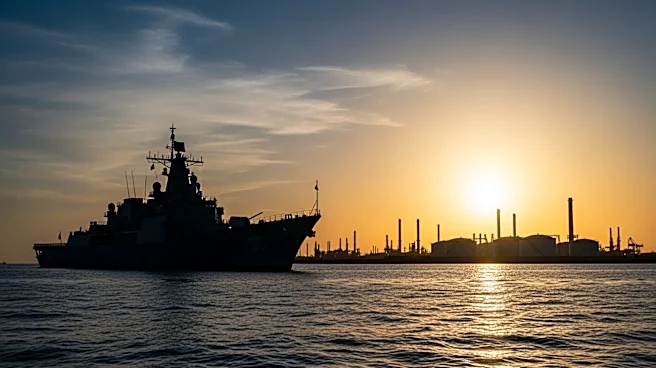
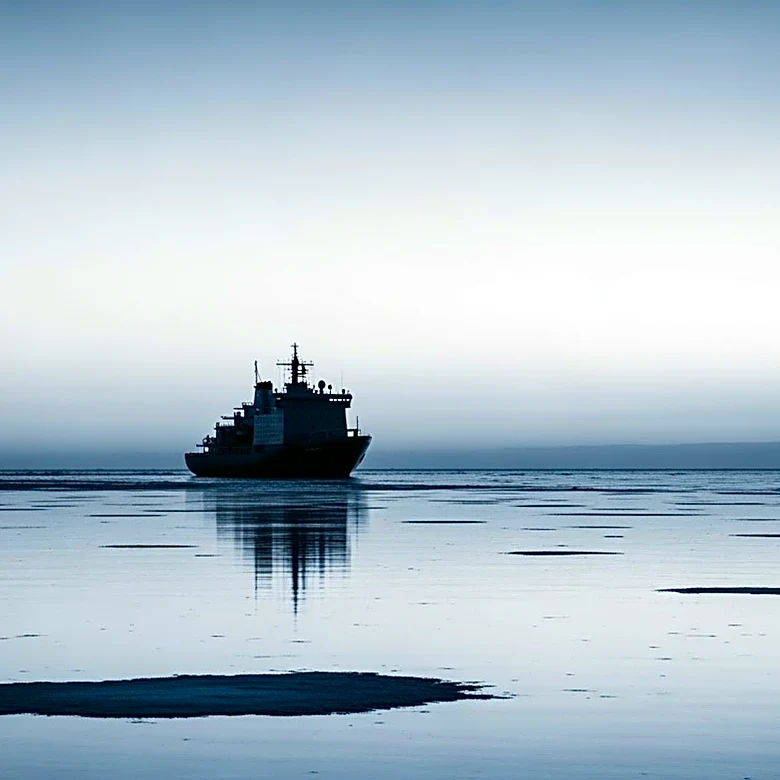
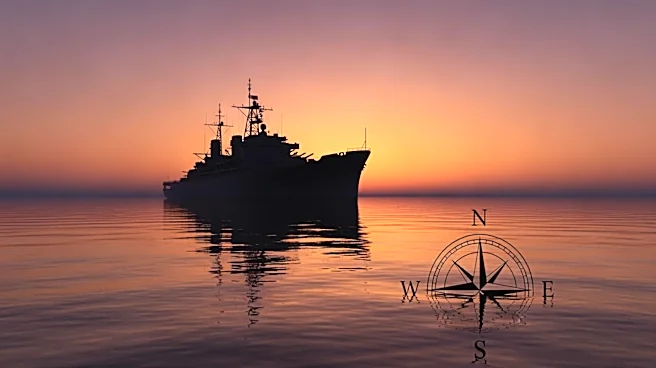
The U.S. military has initiated a blockade of Iranian ports in the Strait of Hormuz, preventing roughly two million barrels of Iranian oil per day from entering global markets. The blockade follows failed peace talks between the U.S. and Iran, with President
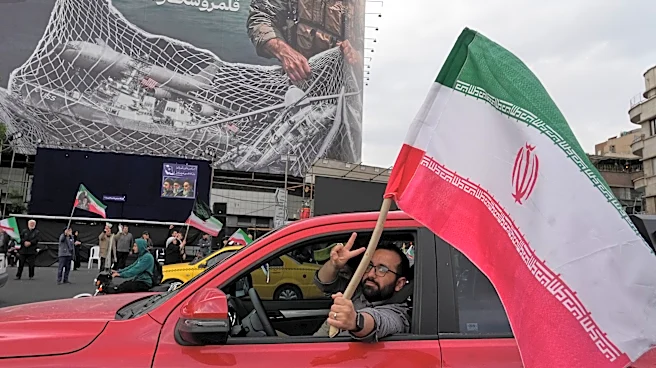
Trump ordering the action to pressure Iran into reopening the strait. The blockade targets Iranian ports, while allowing freedom of navigation for vessels transiting to non-Iranian ports. Iran has warned of potential retaliation, threatening to fire on ships or attack Gulf state infrastructure.
Why It's Important?
The blockade could significantly impact global oil supply, as the Strait of Hormuz is a major transit route for oil exports. Blocking Iranian shipments could tighten global supply, affecting oil prices and economic stability worldwide. The situation highlights the geopolitical tensions between the U.S. and Iran, with implications for international relations and energy security. The blockade could lead to increased volatility in oil markets and strain diplomatic relations, as countries navigate the consequences of the U.S. action.
What's Next?
The blockade is set to continue, with the U.S. enforcing restrictions on vessels traveling to or from Iranian ports. Iran has threatened to retaliate, potentially escalating the conflict and affecting regional security. The international community may seek diplomatic solutions to reopen the strait and stabilize oil markets. The situation remains fluid, with potential for further developments as stakeholders respond to the blockade's impact.