




What's Happening?
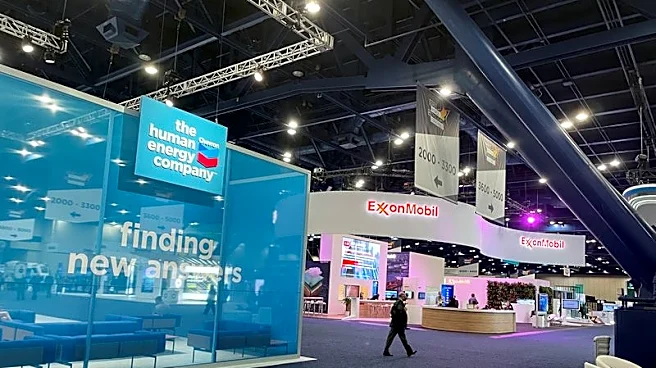
President Trump has publicly criticized ExxonMobil Holdings Corp. and Chevron Corp. for their significant profits as oil prices have surged due to the ongoing conflict in Iran, which began in February with U.S. and Israeli involvement. Trump expressed
dissatisfaction with the oil companies' financial gains, urging them to reduce retail gasoline prices and return some profits to the public. Despite being a proponent of free enterprise, Trump voiced his concerns about the companies' earnings during a press briefing at the White House. The oil giants have more than doubled their net income in the second quarter, attributing the increase to disruptions in global energy markets caused by conflicts in the Middle East and Russia. Instead of distributing profits to investors, Exxon and Chevron have focused on reducing their debts.
Why It's Important?
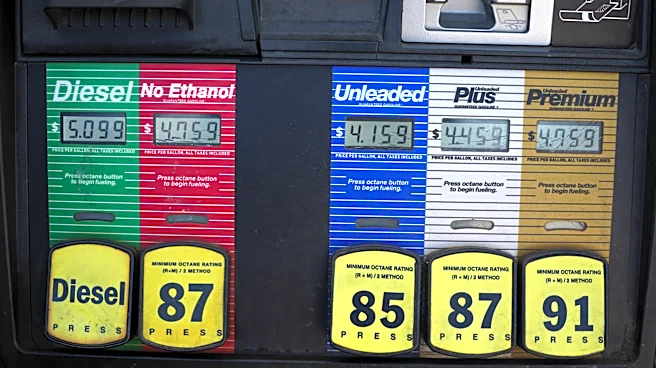
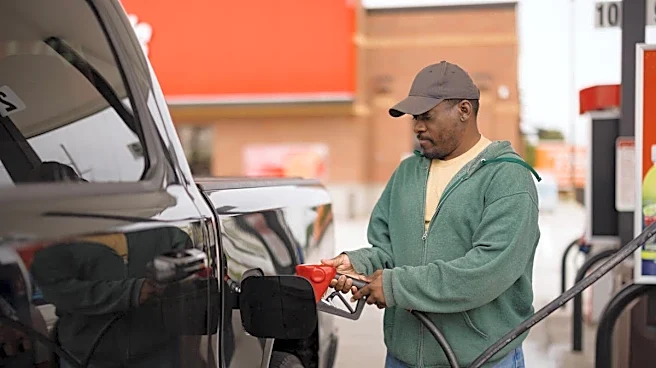
The criticism from President Trump highlights the political and economic challenges arising from the Iran conflict. The surge in oil prices has exacerbated the financial strain on American consumers, who are already facing high costs for housing, food, and other goods. The average price of gasoline has exceeded $4 per gallon, contributing to growing dissatisfaction with Trump's economic policies. This discontent poses a risk to the Republican Party's prospects in the upcoming midterm elections. Trump's focus on oil companies as a scapegoat for high fuel prices reflects the broader political strategy to address voter concerns about the economy. The Justice Department has been tasked with investigating potential price gouging by these companies.
What's Next?
The ongoing scrutiny of oil companies by the Trump administration may lead to further regulatory actions or investigations. The Justice Department's inquiry into gasoline pricing practices could result in legal or policy changes aimed at curbing perceived price gouging. Additionally, the political ramifications of the Iran conflict and its economic fallout will likely continue to influence public opinion and electoral outcomes. As the midterm elections approach, both the administration and oil companies may face increased pressure to address consumer grievances and stabilize fuel prices.