







What's Happening?
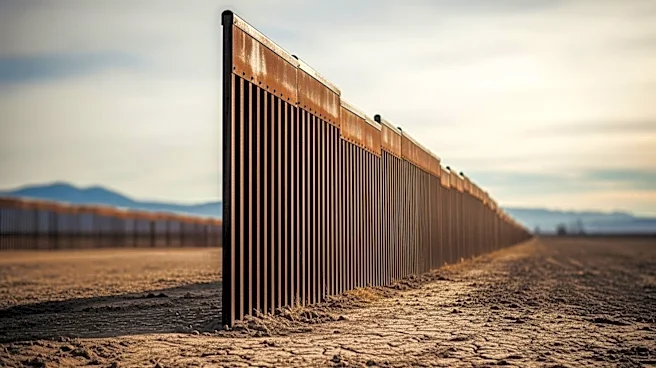
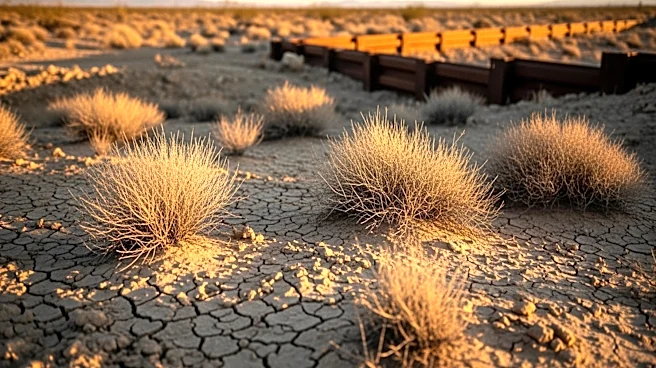
In West Texas, an unusual coalition of local residents, environmentalists, and political figures is opposing the federal government's plan to extend the border wall in the Big Bend region. The U.S. Customs and Border Protection (CBP) initially planned
to construct 30-foot-tall steel fencing but has since shifted to building vehicle barriers and patrol roads. This decision comes amid concerns about the environmental impact on the region's sensitive lands and wildlife, as well as the potential economic repercussions on the local tourism industry. The Big Bend area, known for its rugged terrain, has historically seen fewer illegal crossings, with only 498 apprehensions recorded in the first three months of 2026. Local officials argue that the funds for the border barriers could be better utilized elsewhere.
Why It's Important?
The opposition to the border wall extension in West Texas highlights significant environmental and economic concerns. The region is home to a $56-million tourism industry that could be jeopardized by the construction of the wall, which threatens to disrupt the natural landscape and wildlife habitats. Additionally, the area is culturally significant, with Indigenous sites and historical landmarks at risk. The coalition's stance underscores a broader debate about the effectiveness and necessity of physical barriers in areas with low crossing rates. The decision to build barriers instead of walls reflects a compromise, but local stakeholders continue to push for alternative solutions that prioritize environmental preservation and economic stability.
What's Next?
The coalition opposing the border wall extension is likely to continue advocating for alternative border security measures that do not involve extensive physical barriers. Local officials and residents may pursue legal action to prevent the construction, emphasizing the need for a more strategic approach to border security that considers the unique characteristics of the Big Bend region. The federal government may face increased pressure to engage with local communities and stakeholders to find mutually agreeable solutions. The outcome of this opposition could influence future border security policies and the allocation of resources in similar regions.
Beyond the Headlines
The debate over the border wall in West Texas raises broader questions about the balance between national security and environmental conservation. The region's opposition reflects a growing awareness of the need to protect natural and cultural resources while addressing security concerns. This situation could set a precedent for how border security projects are approached in environmentally sensitive areas across the U.S. The involvement of diverse stakeholders in the opposition movement also highlights the potential for bipartisan collaboration on environmental and economic issues.