










What's Happening?
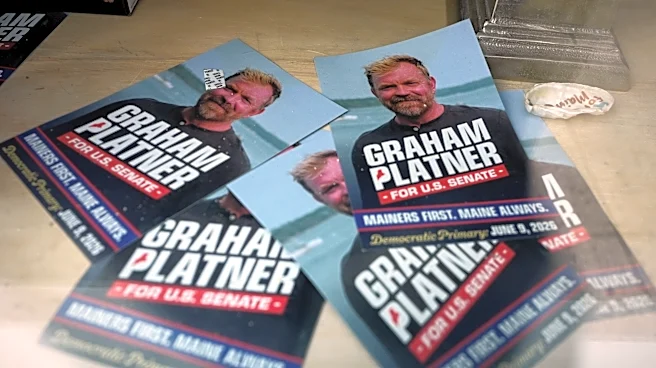
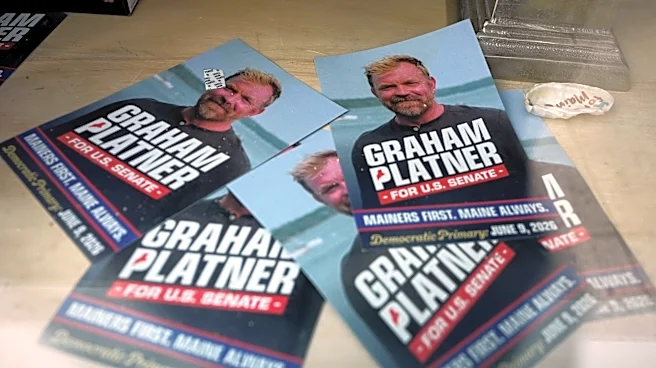
Graham Platner, the Democratic nominee for the U.S. Senate in Maine, has officially withdrawn his candidacy following a series of scandals. Platner's decision to exit the race was confirmed by Maine's secretary of state after he filed the necessary paperwork
to remove his name from the November ballot. This move comes after Platner faced allegations of sexual assault, which he has denied, claiming they were politically motivated. Additionally, his campaign was marred by the resurfacing of old social media posts containing racist, sexist, and homophobic language, which he attributed to struggles with PTSD. Platner also faced scrutiny over a tattoo resembling a Nazi emblem, which he has since removed. The Democratic Party now faces the challenge of selecting a new nominee to compete against the incumbent Republican Senator Susan Collins, with several potential candidates already expressing interest.
Why It's Important?
Platner's withdrawal is significant as it impacts the Democratic Party's strategy in Maine, a key state in their efforts to gain control of the Senate. The allegations and subsequent withdrawal highlight the challenges political candidates face regarding personal conduct and public perception. The Democratic Party must now quickly organize a nominating convention to select a new candidate before the upcoming deadline, which could affect their preparedness and unity going into the election. The situation underscores the importance of vetting candidates thoroughly to avoid last-minute disruptions that can jeopardize electoral prospects.
What's Next?
The Democratic Party is under pressure to finalize a new nominee before the July 27 deadline to ensure their candidate is on the November ballot. Potential candidates include Troy Jackson, Shenna Bellows, and Nirav Shah, who are already positioning themselves for the nomination. The party's ability to swiftly and effectively manage this transition will be crucial in maintaining a competitive edge against Senator Collins. The outcome of this process could influence the party's overall strategy and morale as they aim to secure a majority in the Senate.