
What's Happening?
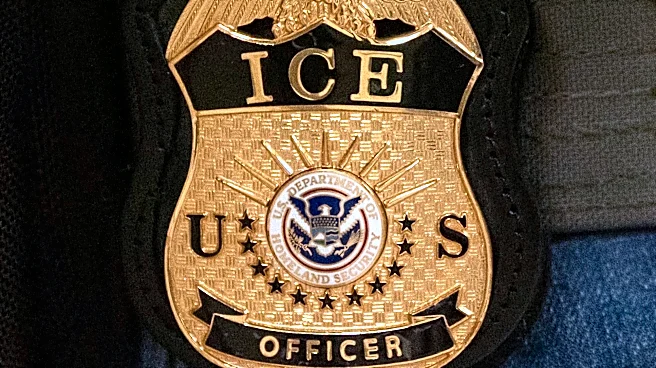
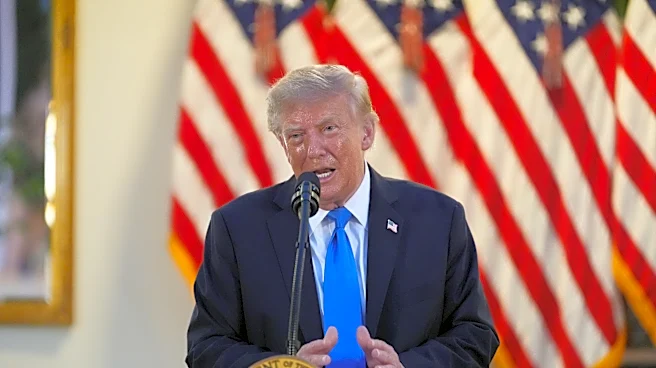
The Trump administration's Department of Justice (DOJ) blocked federal prosecutors from bringing civil rights charges against ICE agent Christian Castro, who is accused of shooting a Venezuelan immigrant,
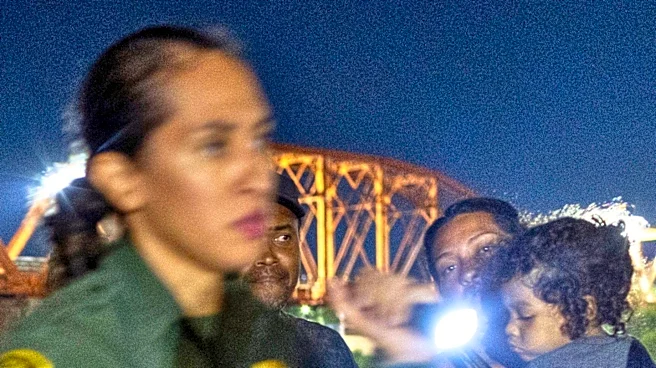
Julio Cesar Sosa-Celis, in Minneapolis and then lying about the incident. Despite strong objections from Matthew Evans, the assistant U.S. attorney in Minnesota handling the case, DOJ leaders in Washington, D.C., directed that Castro would only face charges for false statements, which carry a significantly lighter penalty. The shooting occurred in January during Operation Metro Surge, a Trump administration immigration enforcement initiative. Castro allegedly fired through a closed door into a home, hitting Sosa-Celis in the leg, after chasing an immigrant who ran inside. DHS initially claimed agents were ambushed, but later admitted video evidence contradicted agents' sworn testimony. Castro also faces multiple state felony charges in Minnesota, but Texas Governor Greg Abbott refused to extradite him to Minnesota.
Why It's Important?
This decision by the Trump administration's DOJ raises significant concerns about political interference in federal prosecutions and the accountability of federal law enforcement officers. The overruling of a federal prosecutor's recommendation for civil rights charges, especially when evidence suggested false testimony, could undermine public trust in the justice system. It fuels criticism that the DOJ under the Trump administration prioritized political agendas over the impartial application of the law, particularly in cases involving immigration enforcement. For victims like Sosa-Celis, it limits avenues for justice and accountability. The incident also highlights the challenges states face in prosecuting federal agents when there is a lack of cooperation from other states or the federal government, as seen with Texas's refusal to extradite Castro. This case contributes to a pattern of the Trump administration blaming victims in immigration agent shootings and declining to investigate agents.
What's Next?
Christian Castro is likely to face federal charges for false statements, which would proceed through the federal court system. However, the more severe civil rights charges, which federal prosecutors in Minnesota had prepared, will not be pursued at the federal level. State prosecution in Minnesota for felony charges, including assault with a dangerous weapon, remains a possibility, but Castro's presence in Texas and the refusal of extradition by Governor Abbott complicate this path. Hennepin County Attorney Mary Moriarty has expressed concerns that Castro might flee to Mexico. This case may continue to draw scrutiny from civil rights advocates and legal experts, who could push for further investigations or legislative action to ensure accountability for federal agents.
Beyond the Headlines
This case delves into the complex interplay between federal and state justice systems, particularly when federal agents are accused of crimes. The DOJ's decision to block civil rights charges, despite internal objections and evidence of false testimony, suggests a broader pattern of protecting federal agents involved in controversial incidents, especially within the context of immigration enforcement during the Trump administration. This approach can have profound implications for the rule of law, potentially creating a perception of impunity for certain federal actors. It also highlights the erosion of the Justice Department's independence when political considerations appear to override prosecutorial discretion. The comparison to the handling of other cases, such as the shooting of Renee Good by another ICE agent, further suggests a systemic issue in how such incidents were addressed, raising questions about equal justice under the law.