





What's Happening?
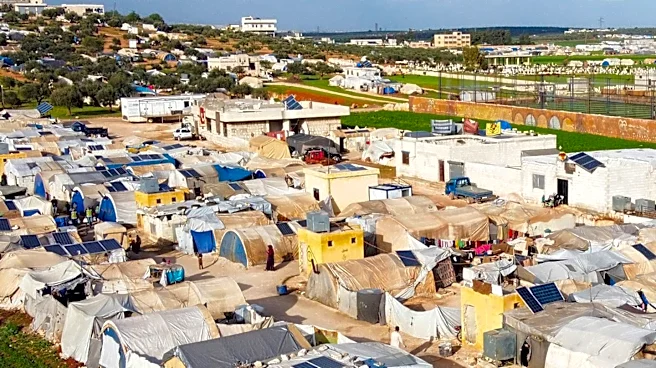
The International Organization for Migration (IOM) is actively recruiting an On-Call MHPSS Consultant (Music Trainer) to provide psychosocial support to Afghan nationals residing in Al-Saliyah Camp. This initiative is part of a broader humanitarian effort
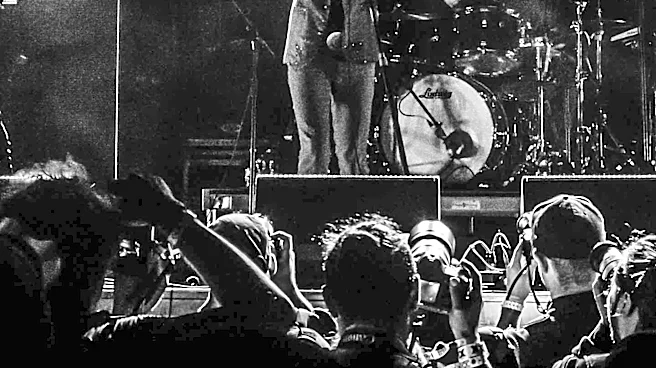
aimed at improving the quality of life for vulnerable populations affected by displacement. The role involves using music as a medium for emotional expression and stress reduction, developing structured session plans, and leading musical activities that promote self-expression and social connectedness. The consultant will also identify participants needing additional support and submit reports on session outcomes. This position is crucial in addressing the psychological and mental health needs of refugees, offering psychological assessments, individual support sessions, and group activities that foster psychological resilience and social cohesion.
Why It's Important?
This initiative by IOM is significant as it addresses the mental health challenges faced by Afghan refugees, a group that has experienced significant trauma and displacement. By using music as a therapeutic tool, the program aims to provide emotional relief and foster a sense of community among participants. This approach not only aids in immediate stress reduction but also contributes to long-term psychological resilience. The program's success could serve as a model for similar interventions in other refugee settings, highlighting the importance of innovative psychosocial support methods in humanitarian efforts. The initiative also underscores the role of international organizations in providing comprehensive support to displaced populations, which is crucial for their integration and well-being.
What's Next?
The next steps involve the recruitment and deployment of the music trainer, who will work closely with the MHPSS team to implement the program. The consultant will be responsible for developing and executing music-based activities, monitoring participant progress, and adjusting the program as needed to maximize its impact. IOM will continue to evaluate the program's effectiveness through regular reports and feedback from participants. The organization may also explore expanding the program to other camps or regions if successful, potentially influencing broader policy and practice in refugee support services.
Beyond the Headlines
Beyond the immediate benefits of stress reduction and emotional expression, this program could have long-term cultural and social implications. By fostering a sense of community and belonging through music, the initiative may help preserve cultural identity among Afghan refugees, which is often at risk in displacement scenarios. Additionally, the program could encourage other organizations to adopt similar culturally sensitive approaches in their humanitarian efforts, promoting diversity and inclusion in psychosocial support. This initiative also highlights the potential for arts-based interventions to complement traditional mental health services, offering a holistic approach to refugee care.