





What's Happening?
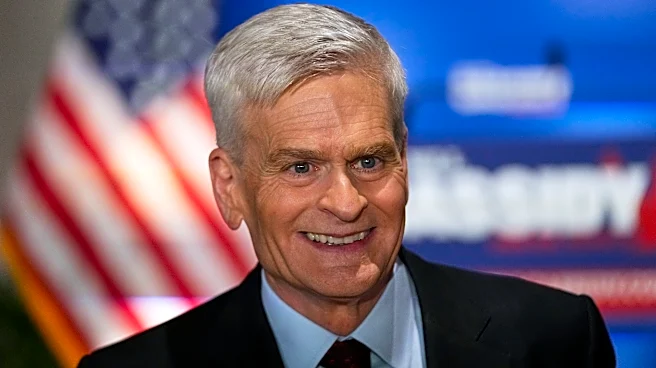
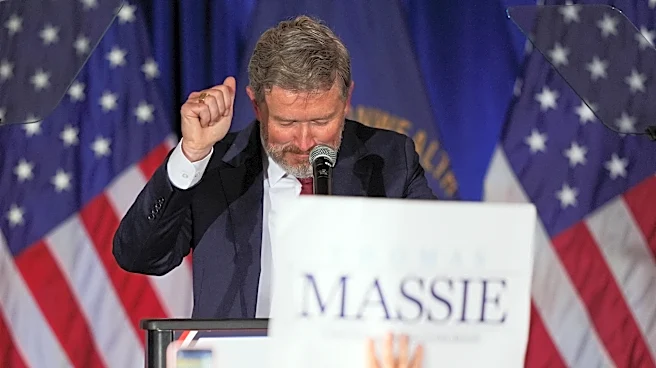
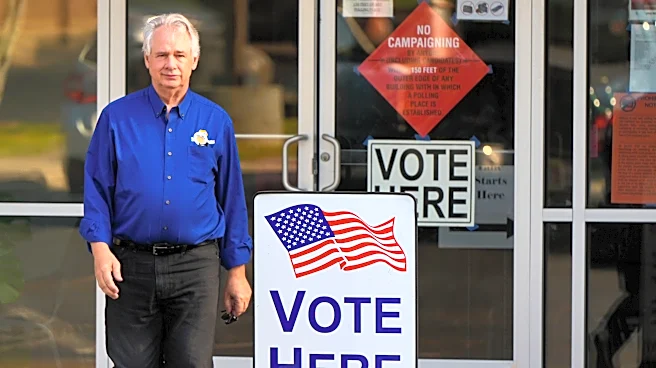
The U.S. primary election system is under scrutiny for marginalizing political independents, as highlighted by the recent defeat of Sen. Bill Cassidy in Louisiana. The state's shift from an open 'jungle' primary to closed primaries has been criticized
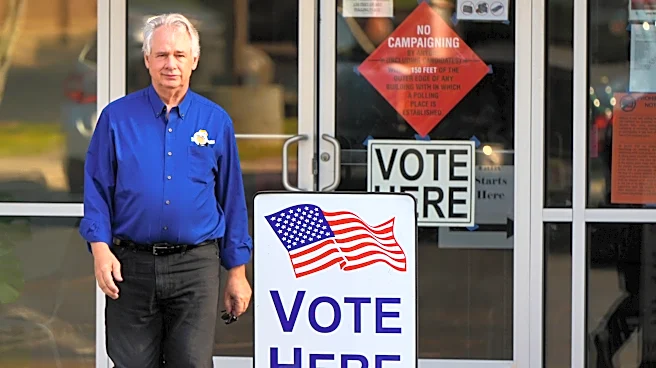
for limiting voter representation. According to Gallup, 45% of U.S. adults now identify as politically independent, yet they are often excluded from closed primaries, which favor party-line candidates. The editorial suggests adopting a 'Top Three plus Head-to-Head' voting system to ensure elections are more representative and competitive.
Why It's Important?
The current primary system's exclusion of independents could lead to increased political polarization and disenfranchisement. As independents constitute a significant portion of the electorate, their exclusion from primaries may result in elected officials who do not reflect the broader public's preferences. This could undermine democratic principles and lead to governance that prioritizes party agendas over public interest. Reforming the primary system could enhance voter engagement and lead to more moderate and representative political outcomes.
What's Next?
Advocates for electoral reform are likely to push for changes to the primary system, potentially introducing legislation to implement more inclusive voting methods. Political parties may resist these changes, as closed primaries currently benefit their strategic interests. However, growing public support for reform could pressure lawmakers to consider alternative systems that better accommodate independent voters.