






What's Happening?
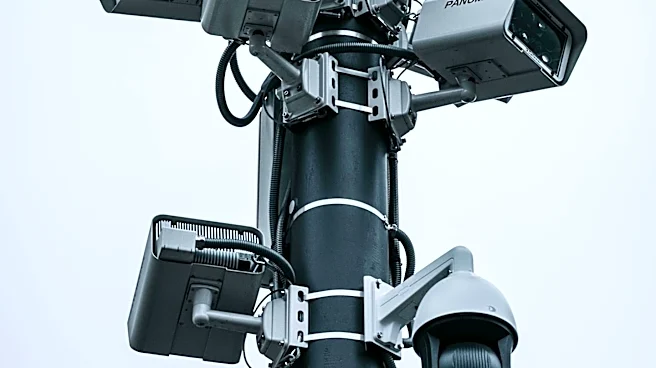
Long Beach residents are raising questions regarding the city's new speed camera program, prompting clarifications from city officials. The cameras, which will begin issuing citations on December 7, photograph rear license plates of vehicles traveling
11 mph or more over the speed limit. The city then uses this information to mail citations to registered owners. A key concern among residents is accountability if someone else is driving the car; the registered owner remains responsible for the ticket, though a detailed process for contesting citations is available for stolen vehicles or recently sold cars. The city has also confirmed that the cameras are not Flock cameras and do not utilize AI or surveillance aspects that connect to Flock systems or share information with law enforcement agencies. Facial recognition technology is explicitly prohibited by the state bill that authorized the speed camera program. Additionally, the city addressed why red-light cameras are not being implemented, citing past issues with erroneous violations in a similar state program.
Why It's Important?
The implementation of speed cameras in Long Beach represents a significant shift in traffic enforcement, aiming to improve road safety by deterring speeding. The city's proactive communication regarding privacy concerns and operational details is crucial for building public trust and ensuring the program's acceptance. The prohibition of facial recognition technology and the lack of integration with broader surveillance systems like Flock addresses common privacy anxieties associated with automated enforcement. However, the policy holding registered owners responsible regardless of who was driving could lead to disputes and administrative burdens for residents. The decision not to implement red-light cameras, based on past negative experiences, highlights the complexities and public backlash that can arise from such technologies, influencing future policy decisions on traffic enforcement across other municipalities considering similar measures. This program could serve as a model or cautionary tale for other California cities participating in the speed camera pilot.
What's Next?
Citations from Long Beach's new speed cameras are set to begin on December 7. Residents who receive citations will have access to a detailed process for contesting them, particularly in cases of stolen vehicles or recent car sales, requiring specific documentation like police reports or DMV-certified bills of sale. The city is mandated to post signs alerting drivers to camera locations and displaying current speeds, ensuring transparency. Furthermore, these camera locations are integrated into navigation apps like Apple Maps and Google Maps. The ongoing pilot program will likely be subject to continuous evaluation regarding its effectiveness in reducing speeding and its impact on public perception. Future discussions may arise concerning the fairness of holding registered owners solely responsible for violations, potentially leading to calls for legislative adjustments or more nuanced enforcement protocols. The success or challenges faced by Long Beach could influence the broader adoption and regulatory framework of speed camera programs in California.
Beyond the Headlines
The introduction of speed cameras in Long Beach touches upon broader societal debates concerning privacy, surveillance, and the role of technology in governance. While aimed at enhancing public safety, these systems often spark discussions about the balance between security and individual liberties. The explicit prohibition of facial recognition and the assurance that data will not be shared with law enforcement or other surveillance networks are critical in mitigating fears of a 'surveillance state.' However, the inherent nature of automated enforcement, where a machine issues a violation, can depersonalize the justice system, potentially leading to feelings of unfairness or a lack of due process for some citizens. The program also highlights the evolving legal landscape surrounding vehicle ownership and responsibility in the age of shared vehicles and automated enforcement. The public's reaction and the program's long-term efficacy will be closely watched, potentially shaping future legislative efforts and public policy on automated traffic enforcement across the nation, influencing how cities balance technological advancement with community trust and individual rights.