
What's Happening?
Lebanese President Joseph Aoun has proposed a ceasefire between Israel and Hezbollah, alongside a plan for Lebanese forces to disarm the Iran-backed group. This proposal was discussed with European Union leaders, including European Council President Antonio
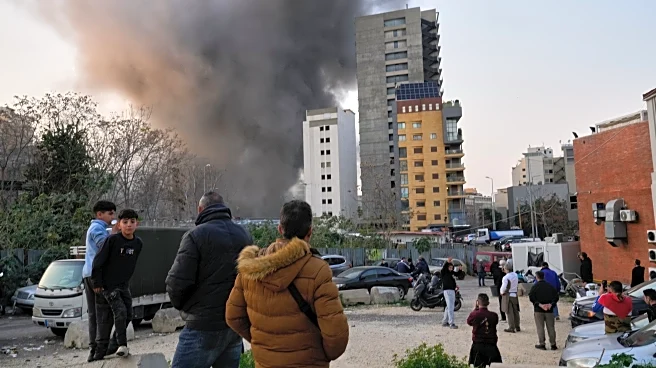
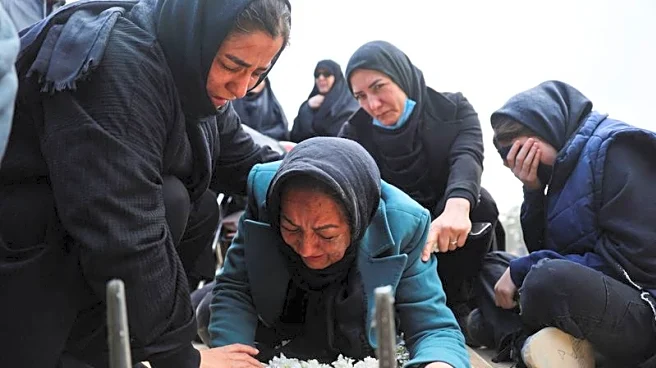
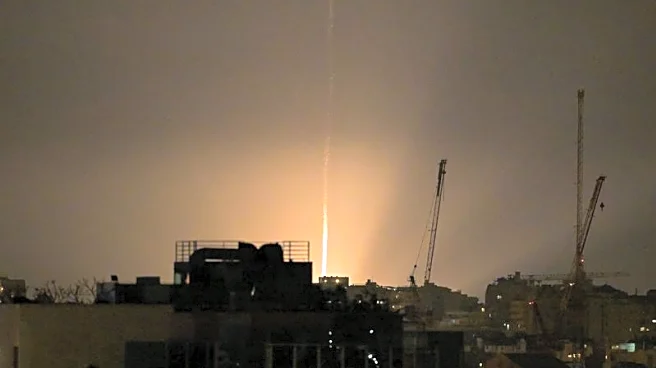
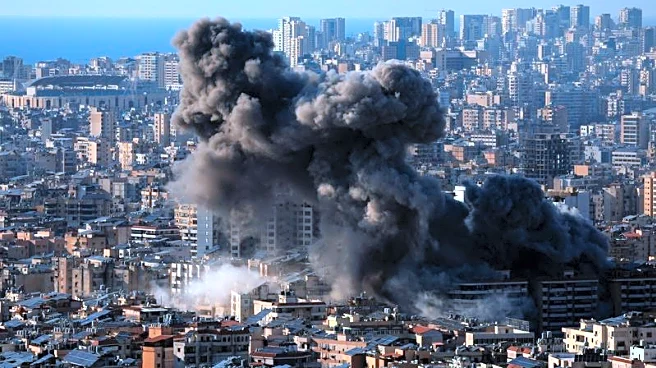
Costa and European Commission President Ursula von der Leyen. The plan aims to halt Israeli attacks on Lebanon and accelerate logistical support for Lebanese armed forces, enabling them to take control of conflict zones and dismantle Hezbollah's weapons. Aoun highlighted the severe humanitarian crisis in Lebanon, with over 600,000 people displaced and more than 400 killed, including children and women, due to the ongoing conflict. He emphasized that Hezbollah operates outside the state's authority, posing a threat to Lebanon's national interests.
Why It's Important?
The proposal by President Aoun is significant as it seeks to address the escalating violence and humanitarian crisis in Lebanon. Disarming Hezbollah could potentially stabilize the region and reduce tensions with Israel. However, the plan's success depends on international support and the willingness of Hezbollah to comply. The conflict has already resulted in significant civilian casualties and displacement, exacerbating Lebanon's existing economic and political challenges. A successful ceasefire and disarmament could pave the way for peace talks and long-term stability, benefiting both Lebanon and the broader Middle East region.
What's Next?
If the proposal gains traction, the next steps would involve international mediation to facilitate direct negotiations between Lebanon and Israel. The international community, particularly the European Union, may play a crucial role in supporting the disarmament process and ensuring compliance from all parties involved. The Lebanese government will need to navigate internal political dynamics and potential resistance from Hezbollah. The outcome of these efforts could significantly impact regional geopolitics and the balance of power in the Middle East.
Beyond the Headlines
The disarmament of Hezbollah raises complex issues related to Lebanon's sovereignty and the influence of external powers like Iran. The group's integration into the Lebanese political system and its role as a resistance movement complicate efforts to disarm it. Additionally, the humanitarian crisis underscores the urgent need for international aid and support to address the needs of displaced populations. The situation also highlights the broader geopolitical tensions in the region, with potential implications for U.S. foreign policy and its alliances in the Middle East.